Azerbaijani Dishes
We've put together a curated list of the most popular Azerbaijani dishes to make it easier for you to explore the local cuisine in your own language. Here you'll find everything from traditional main courses and hearty soups to appetizers, breads, desserts, jams, and drinks - all in one place.
To help you navigate more comfortably, we've also added simple filters like "No Meat" and "No Fish," so you can quickly find dishes that match your preferences. Whether you follow a specific diet or just want to explore different options, it's easy to browse.
The dishes featured here are classics that you'll find in about 95% of restaurants across Baku and Azerbaijan, making this list a practical guide for your trip.
Main Dishes
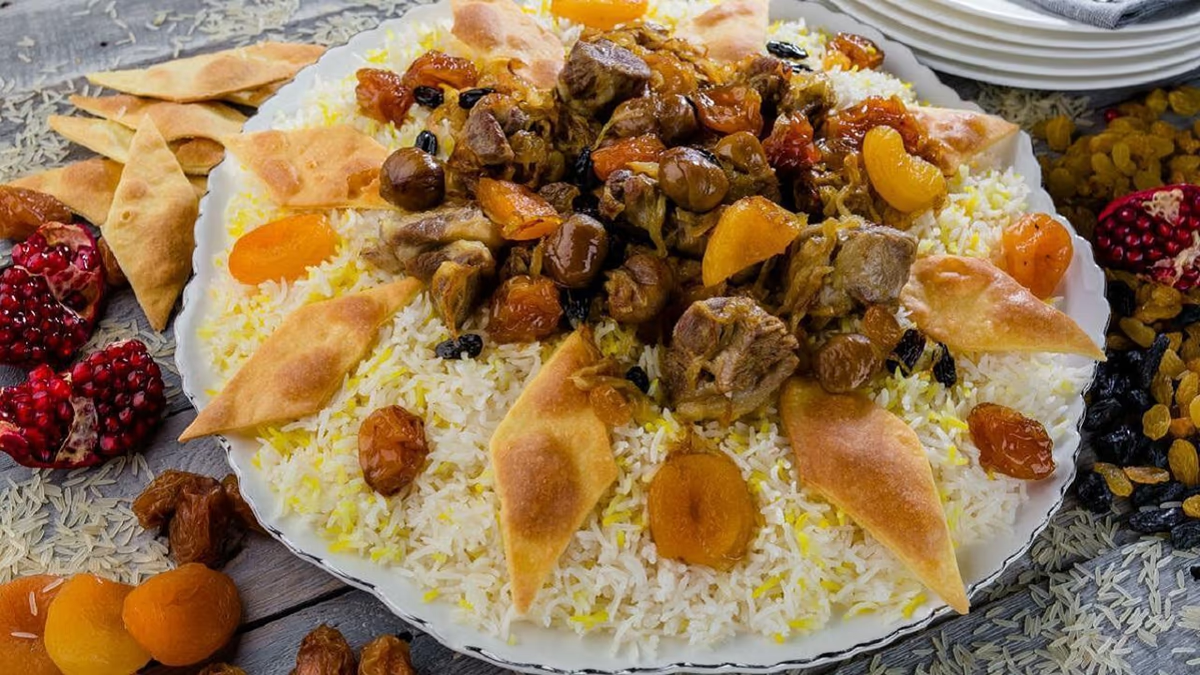
Plov
Azerbaijani plov is a fragrant rice pilaf made with saffron, tender lamb, dried fruits, and chestnuts. It is the centrepiece of the table at weddings, holidays, and family gatherings across Azerbaijan.
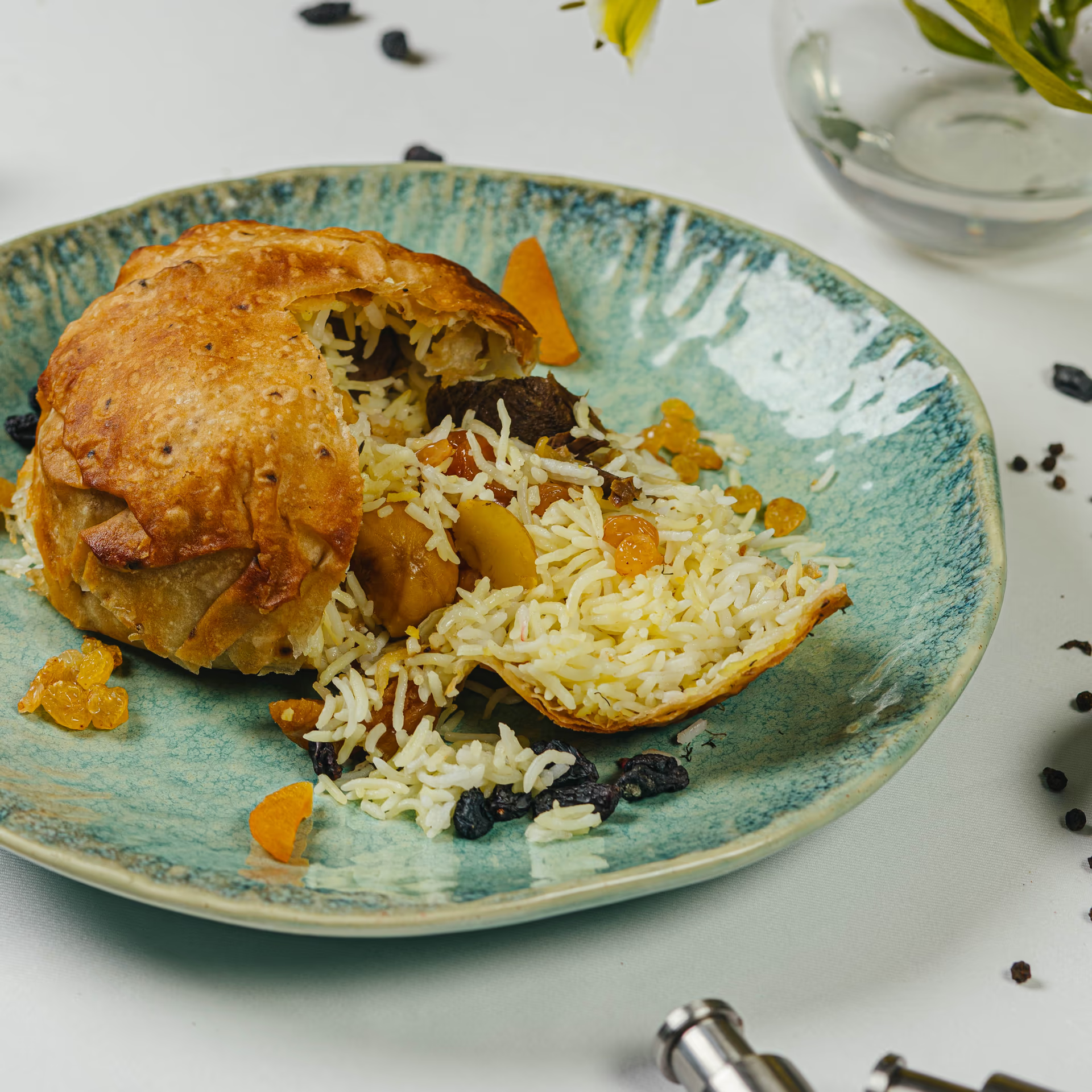
Shah Plov
Shah plov is plov baked inside a thin dough “crown”, so the rice stays moist and the crust turns golden. It is a festive dish often served at celebrations in Baku and across Azerbaijan.
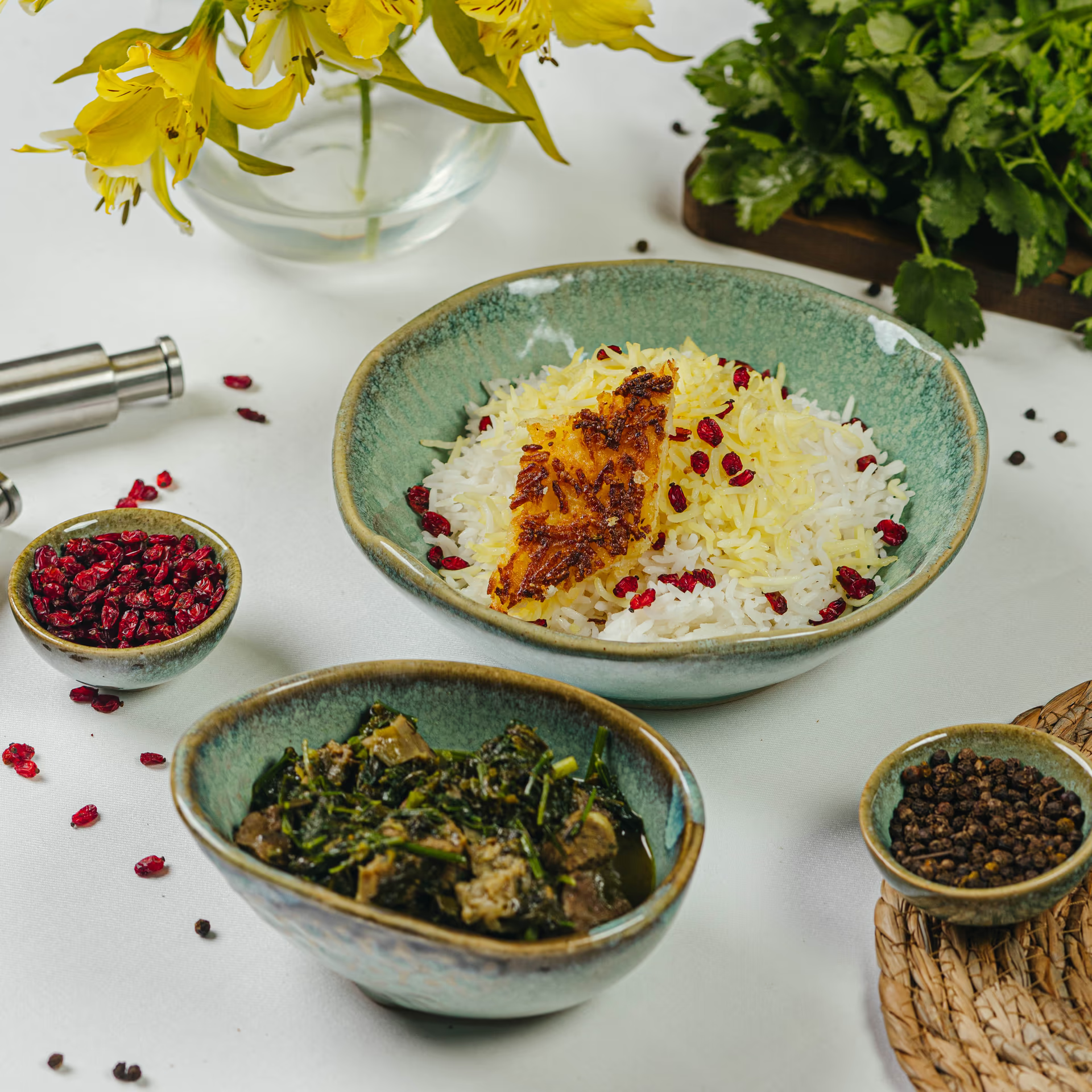
Sabzi Plov
Sabzi plov is a fragrant rice pilaf with plenty of herbs and greens, often served as a lighter alternative to meat plov. It is popular in Baku and across Azerbaijan, especially in spring and summer when fresh herbs are abundant.
Fisincan Plov
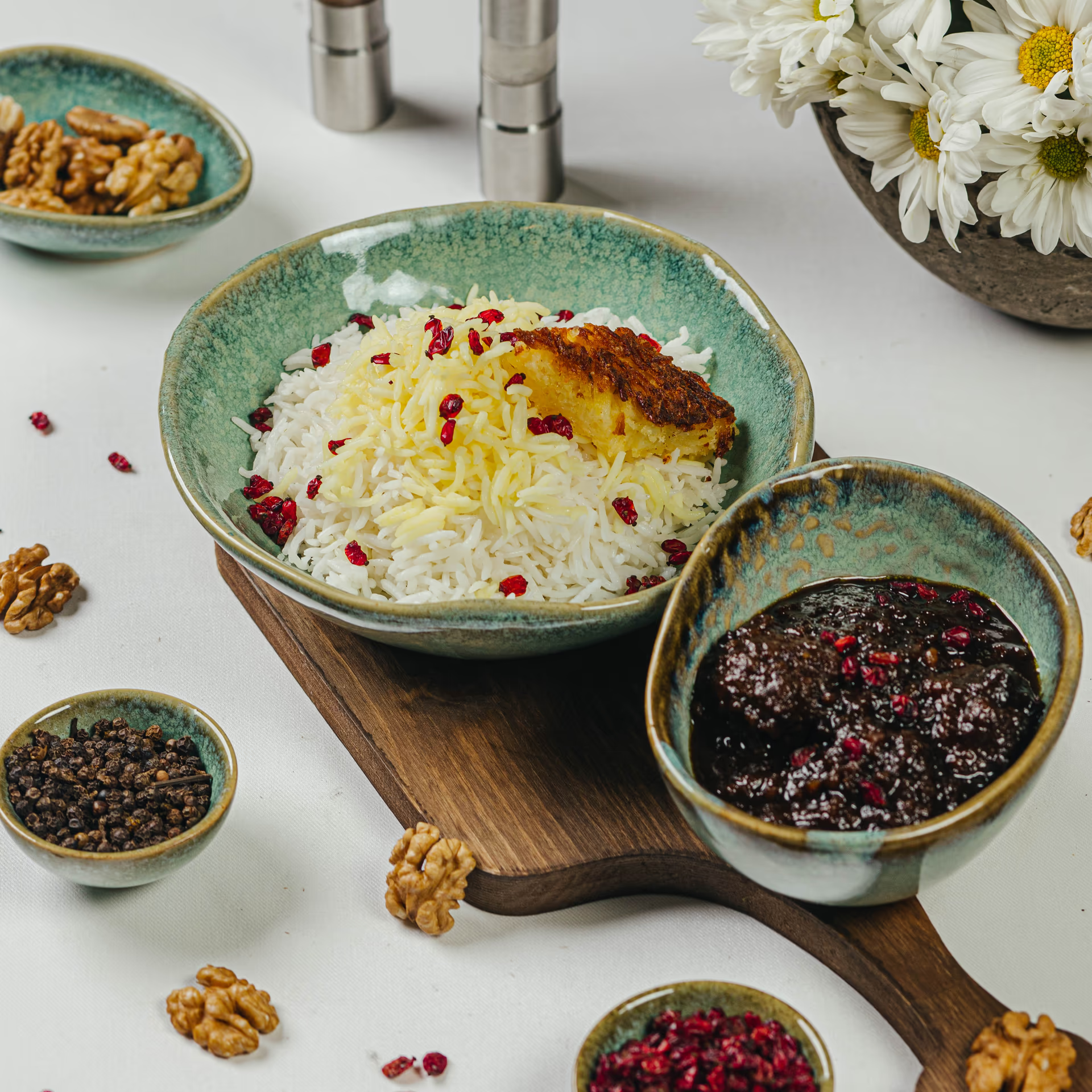
Fisincan plov is a rich Azerbaijani pilaf with a dark, nutty layer (fisincan) of meatballs, dried fruits, and walnuts, served over saffron rice. It is a festive, visually striking dish often reserved for special occasions.
Dolma
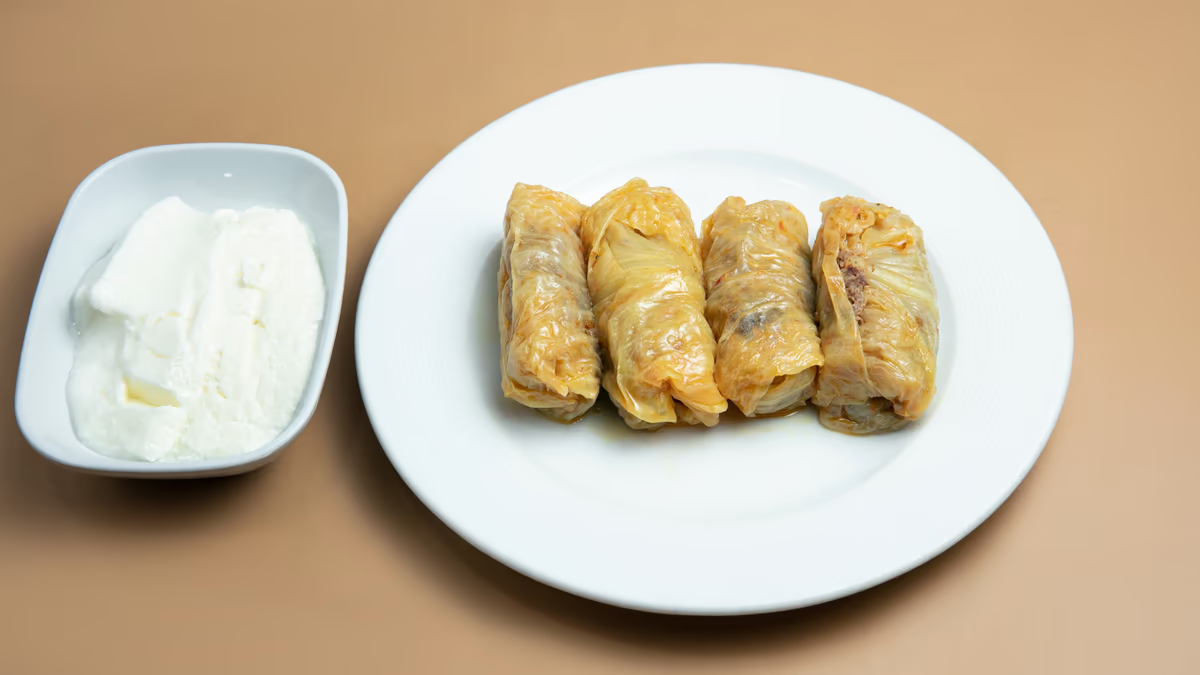
Dolma is stuffed grape leaves or vegetables filled with minced meat, rice, herbs, and spices. It is one of the most beloved dishes in Azerbaijan, served at family meals and celebrations, often with a tangy yogurt or sour cream sauce.
Yarpaq Dolma
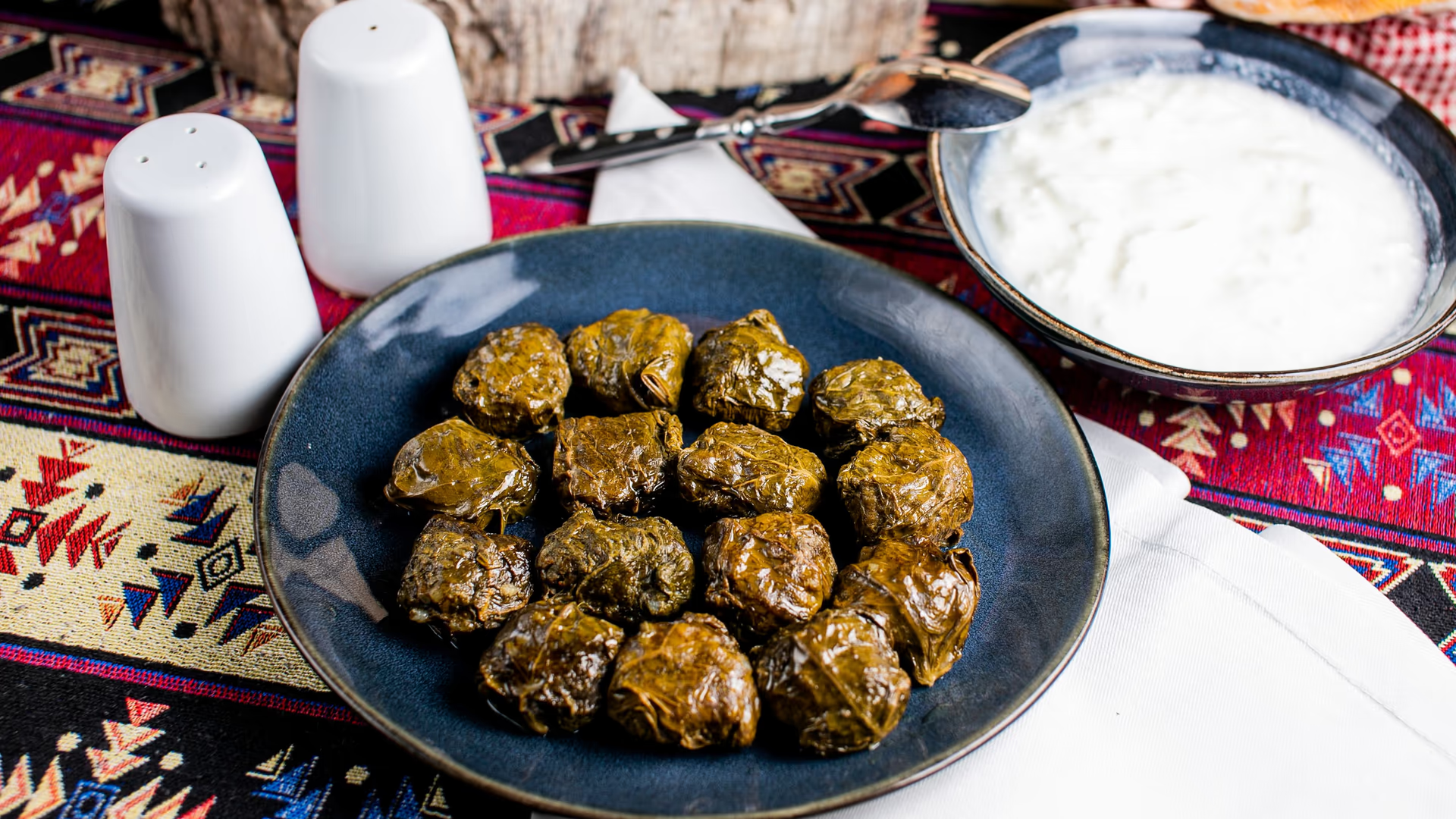
Yarpaq dolma is grape leaves stuffed with minced meat, rice, herbs, and spices, then simmered until tender. It is one of the most popular types of dolma in Azerbaijan and is often served with yogurt or a garlic-yogurt sauce.
Uch Baci Dolma
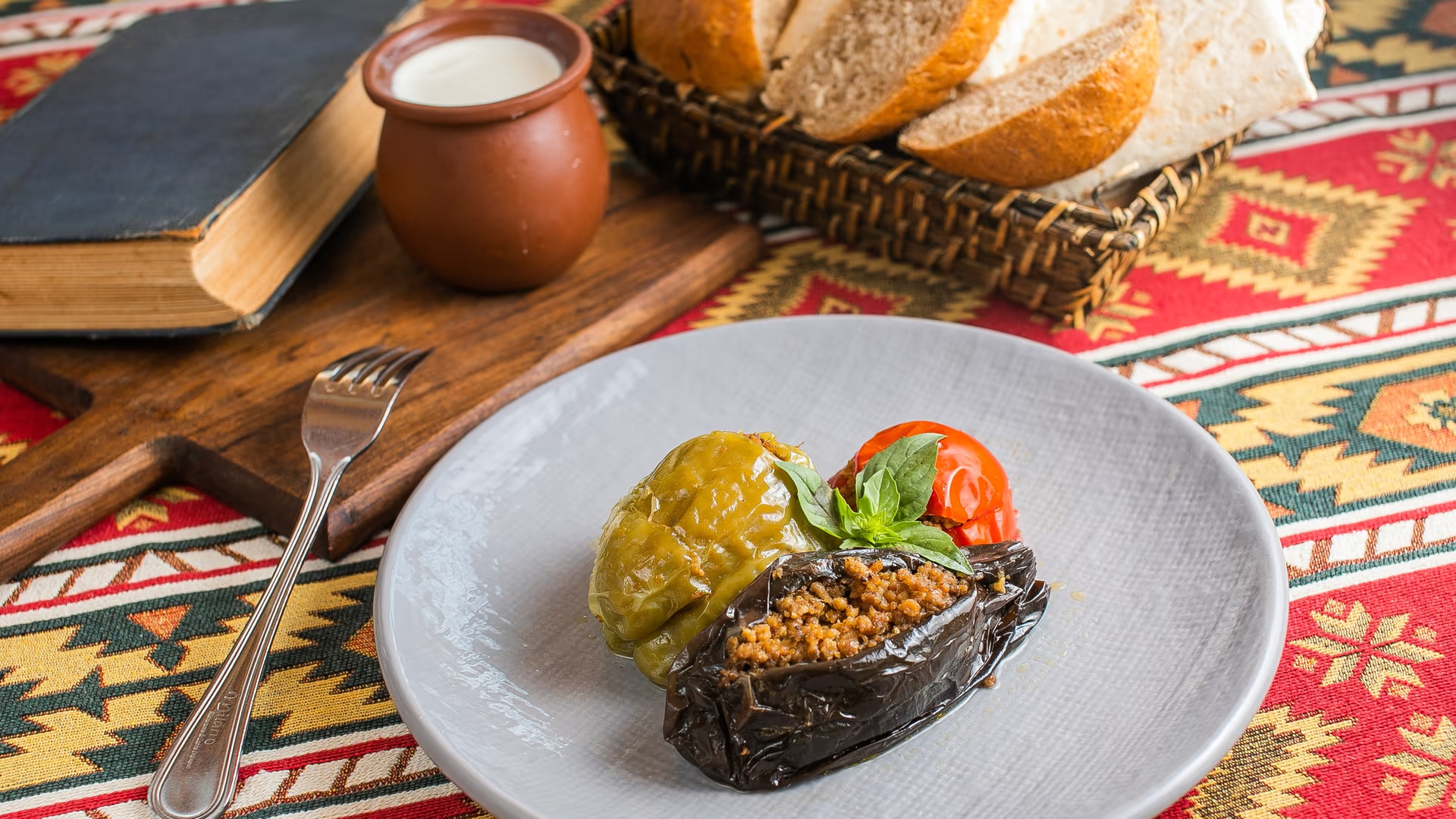
Uch baci dolma ("three sisters") is a vibrant and incredibly flavourful dish made of green bell peppers, red tomatoes, and purple aubergines stuffed with a rich minced meat and rice filling. It is a colourful, festive dolma often served at celebrations, summer feasts, and family gatherings across Azerbaijan.
Lula Kebab
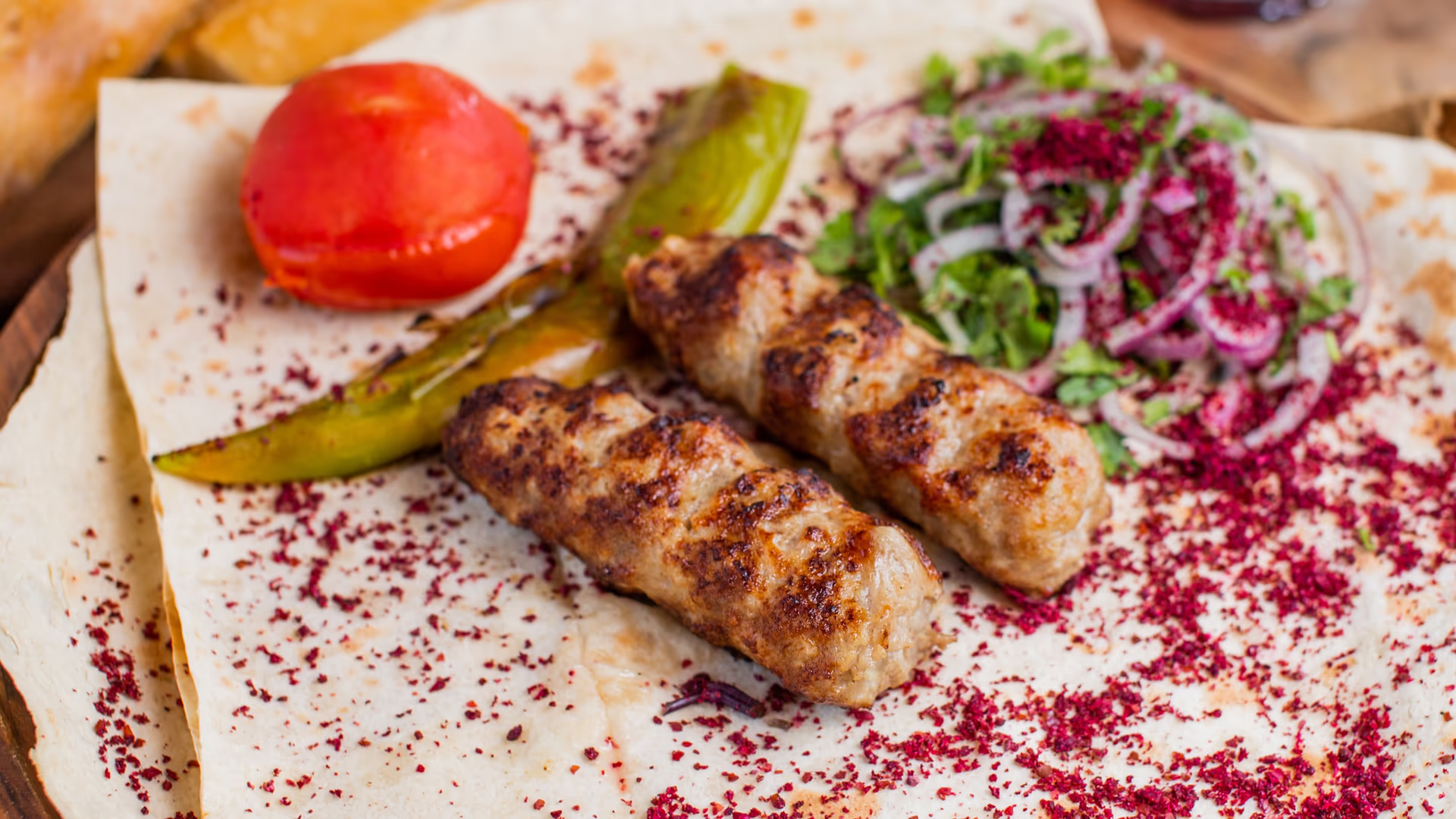
Lula kebab is a legendary grilled sausage of minced lamb mixed with onion, herbs, and spices, shaped perfectly around a flat skewer and cooked over glowing charcoal. It is a street-food and restaurant favourite across Azerbaijan, famous for its melt-in-the-mouth texture.
Tika Kebab
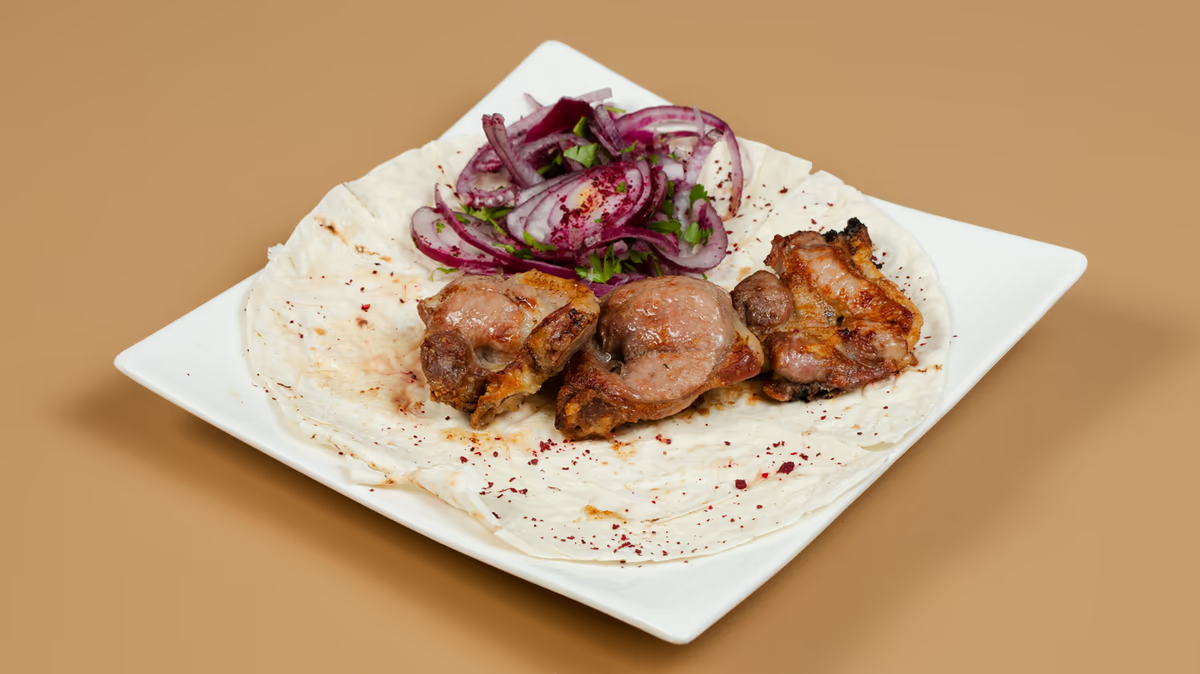
Tika kebab is chunks of premium lamb or beef marinated with onion juices and spices, then skewered and grilled to smoky perfection over charcoal. It is a classic, hearty Azerbaijani kebab, usually served with flatbread, sumac, and roasted vegetables.
Govurma
Govurma is meat (lamb or beef) fried with plenty of onion and butter until tender and golden. It is a hearty, traditional main dish in Azerbaijan, often made in large batches and once valued for keeping well.
Saj
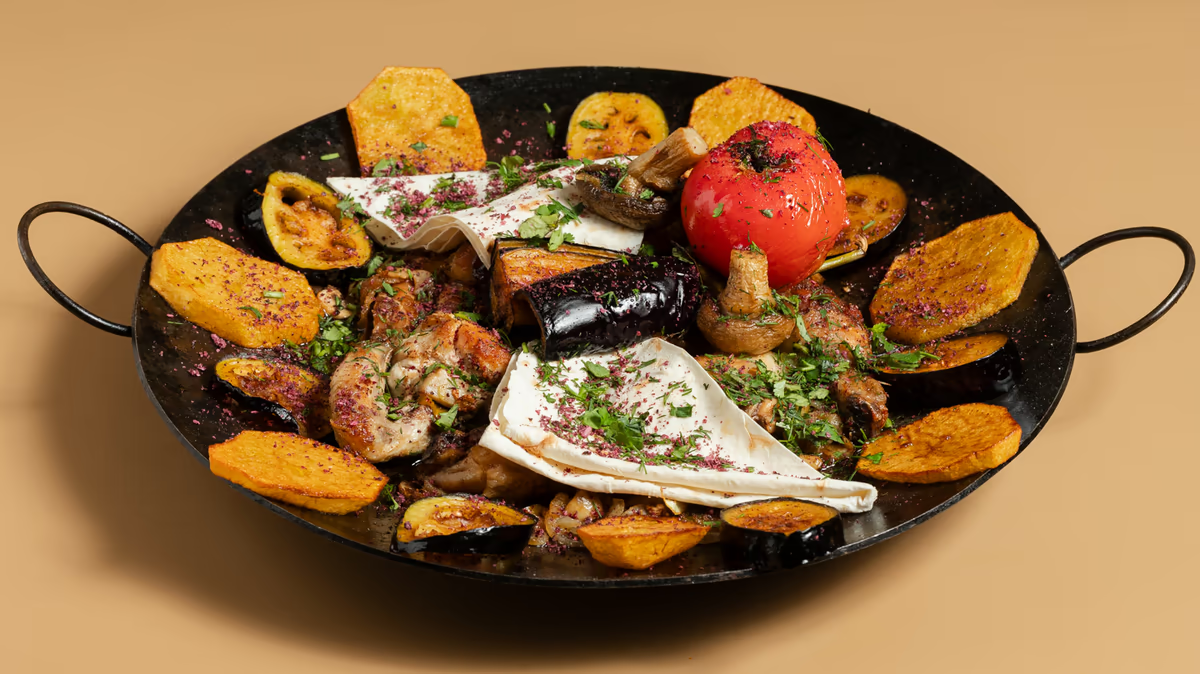
Saj is meat and vegetables cooked together on a large convex griddle (also called a saj), then served on the same pan. It is a communal, sharing dish popular in Baku and across Azerbaijan.
Lavangi (Chicken)
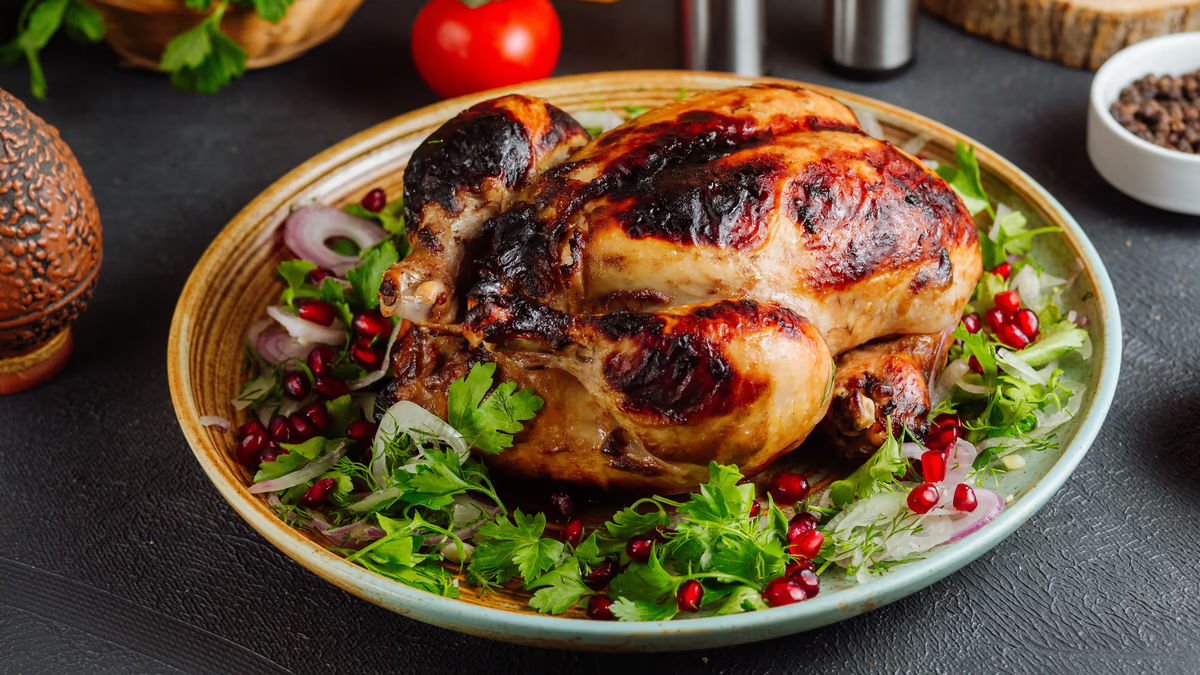
Chicken lavangi is a whole chicken (or chicken pieces) stuffed with a rich paste of walnuts, onion, pomegranate, and spices, then baked. It is a special-occasion dish from the Talysh region and popular across Azerbaijan.
Lavangi (Fish)
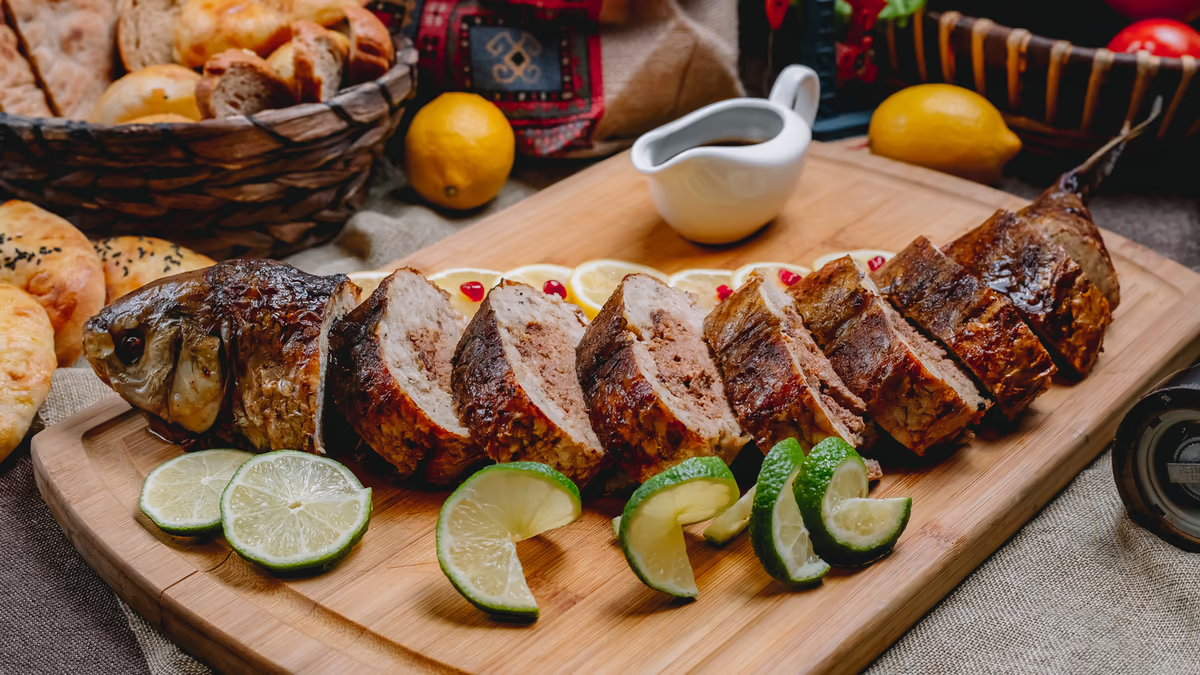
Fish lavangi is the undisputed culinary king of Azerbaijan's southern coast, particularly the Talysh region and Lankaran. It is a whole Caspian fish tightly stuffed with a dark, intensely flavorful walnut paste (alcha rubbu or narsharab), then baked until the skin is crispy and the flesh is flaky.
Pomidor Yumurta
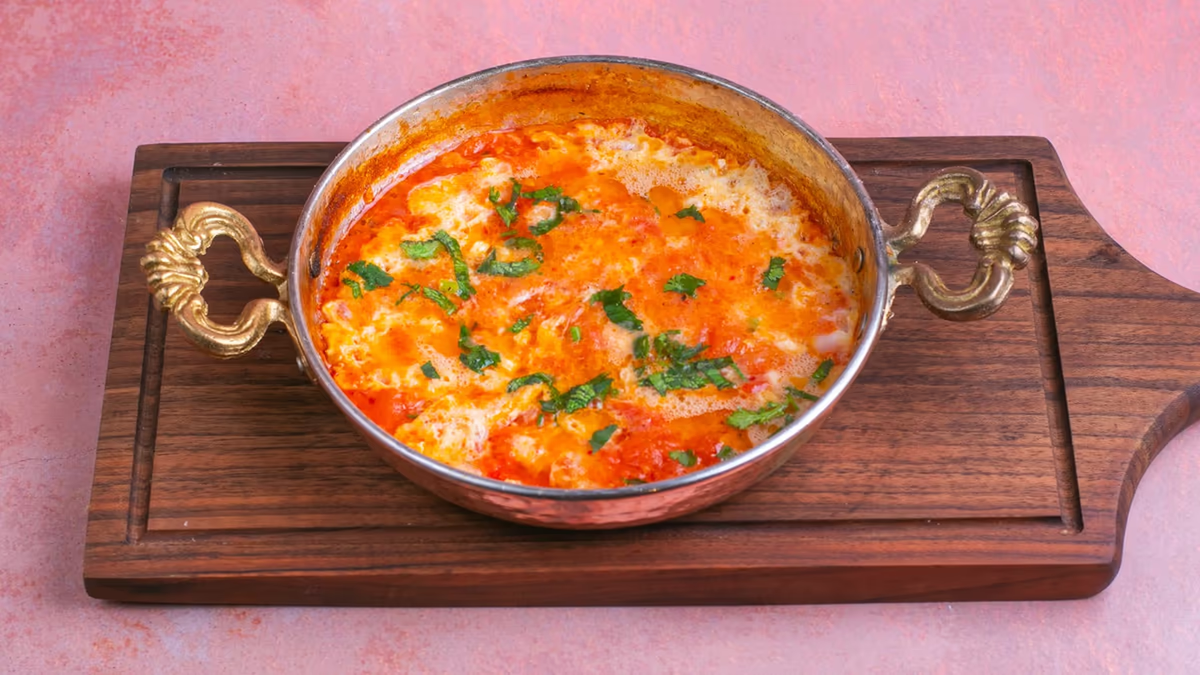
Pomidor Yumurta ("Tomato Egg") is the ultimate Azerbaijani comfort food: sun-ripened tomatoes slow-cooked in butter into a jam-like sauce, then eggs scrambled or poached in it. It is the reigning champion of the traditional Azerbaijani breakfast table.
Piti
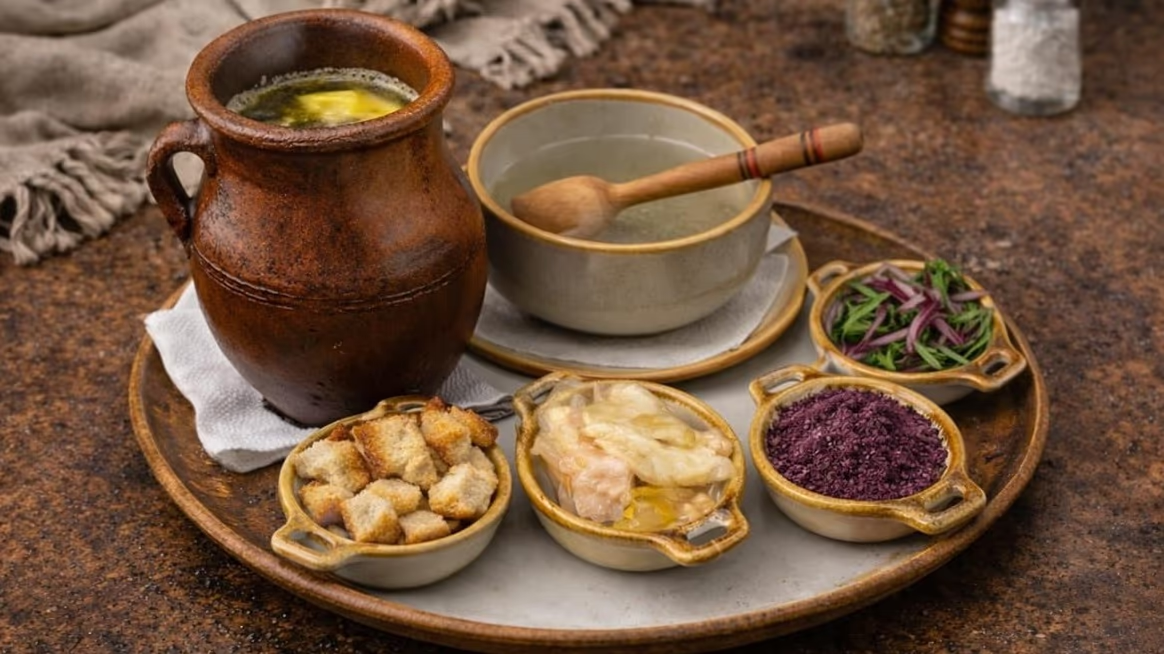
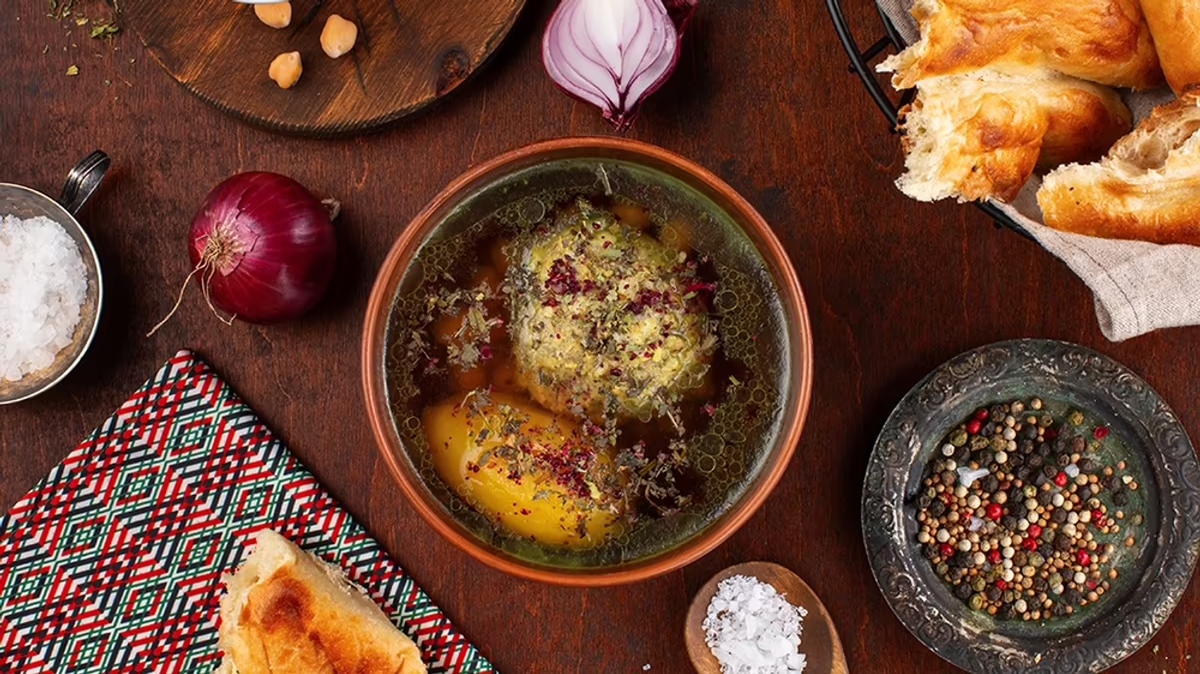
Piti is not just a soup; it is a culinary ritual and the proud gastronomic signature of Sheki. It is a robust lamb stew with chickpeas, chestnuts, and lamb tail fat, assembled raw in individual unglazed clay pots (dopu) and simmered for 8 to 12 hours.
Bozbash
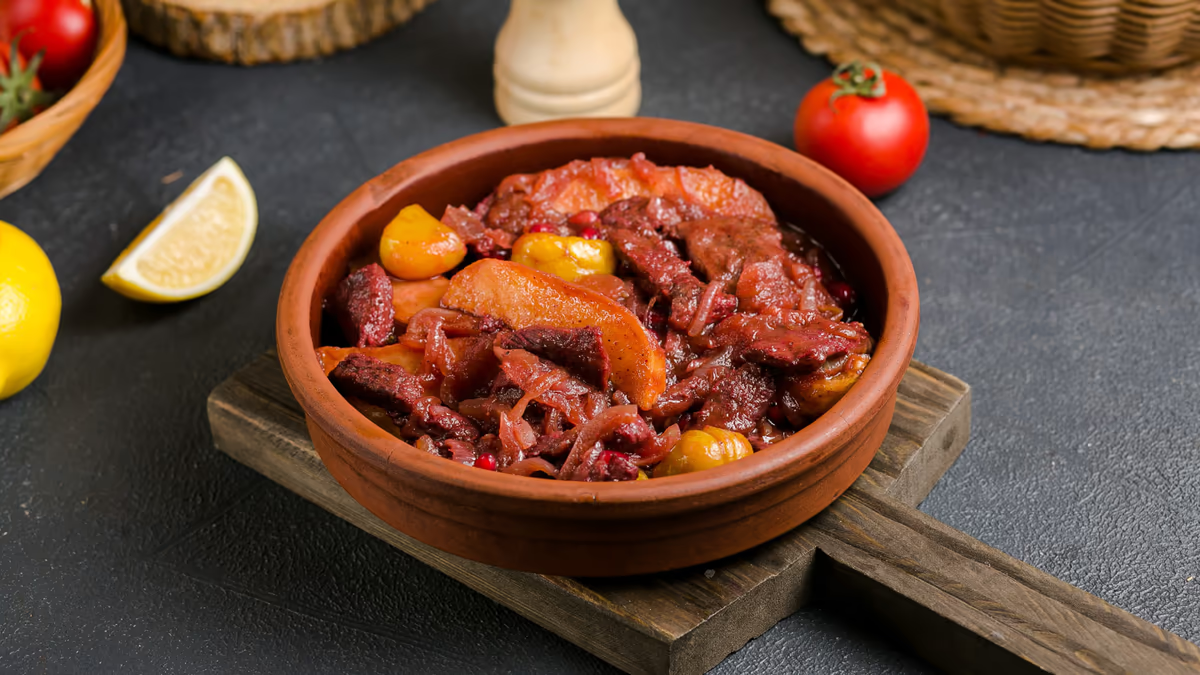
Bozbash is one of the oldest pillars of Azerbaijani home cooking: a hearty lamb stew with potatoes, chickpeas, and dried sour plums (alcha). The name means "grey head," referring to the cloudy broth. It is the quintessential family dinner, cooked in one large pot to feed a crowd.
Qutab
Qutab with Meat
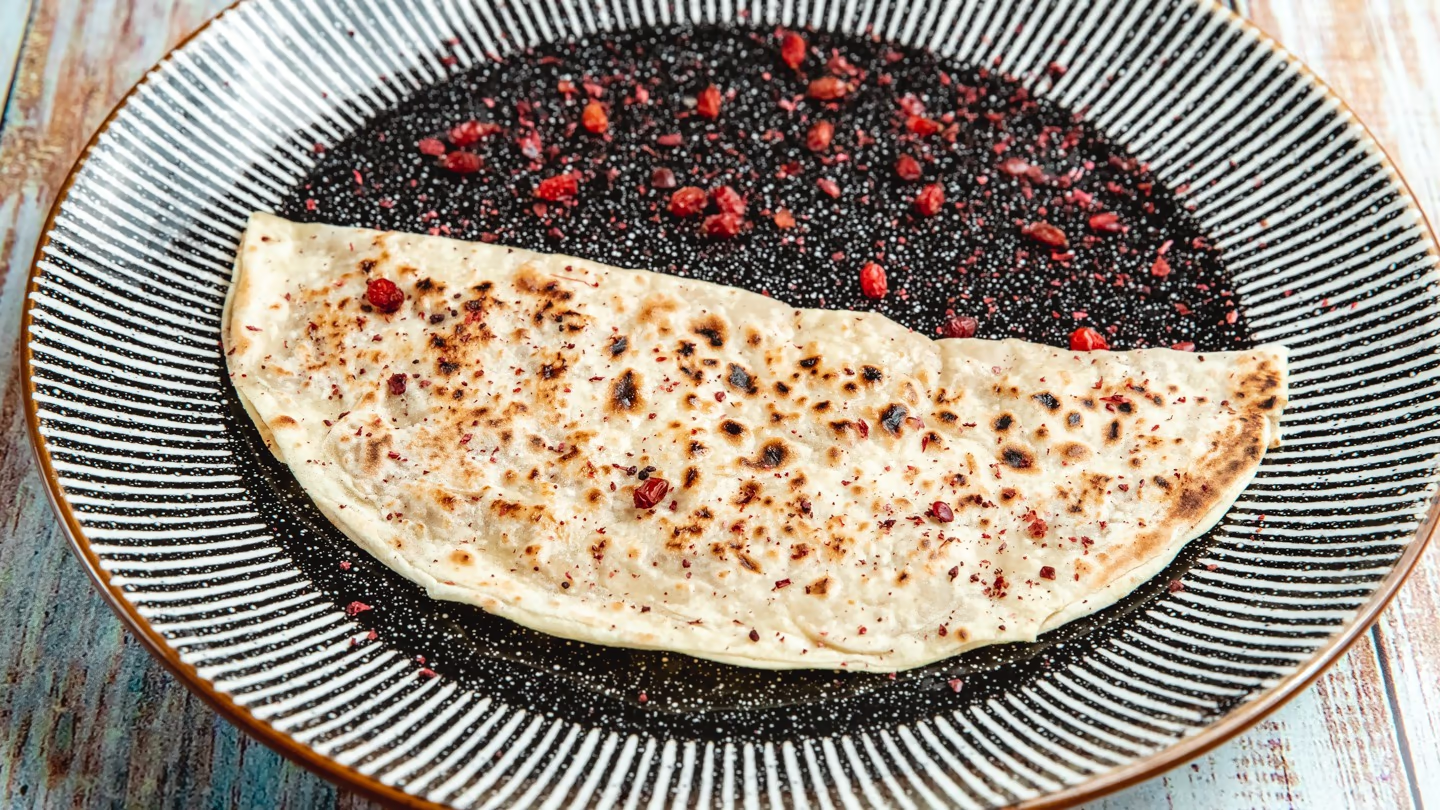
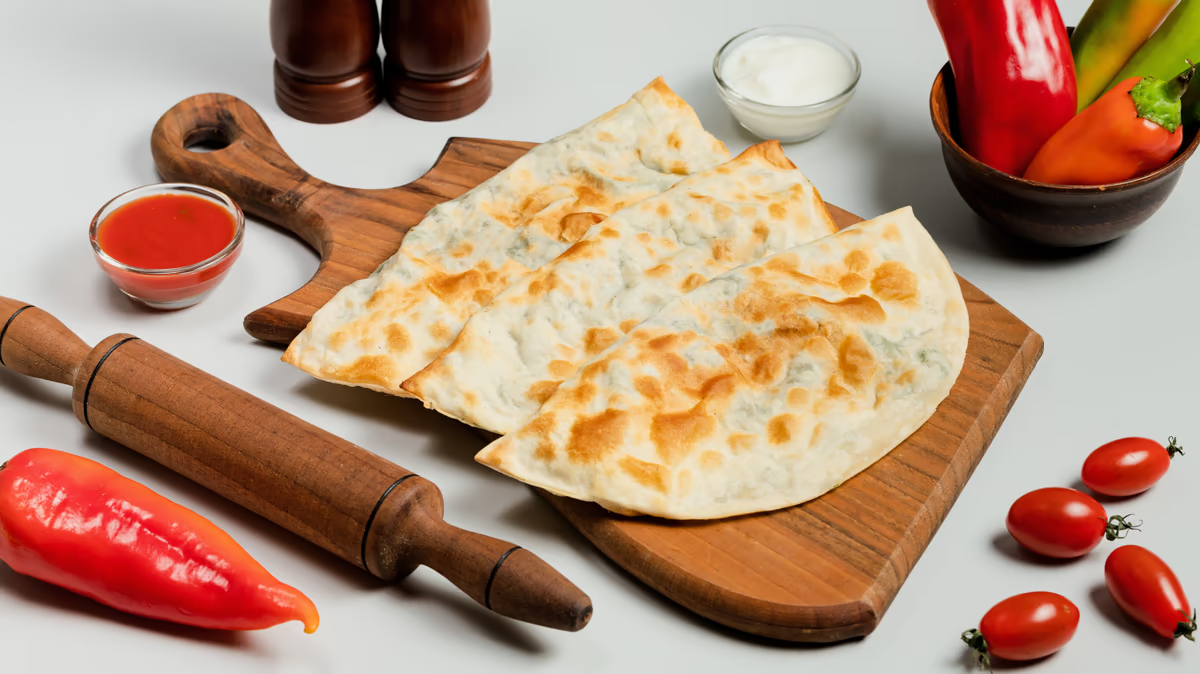
Meat qutab is a thin, half-moon turnover filled with juicy minced lamb and onion, cooked rapidly on a hot, dry griddle until perfectly golden. It is the undisputed king of Azerbaijani snacks, always served sizzling hot with a generous dusting of sumac.
Qutab with Greens
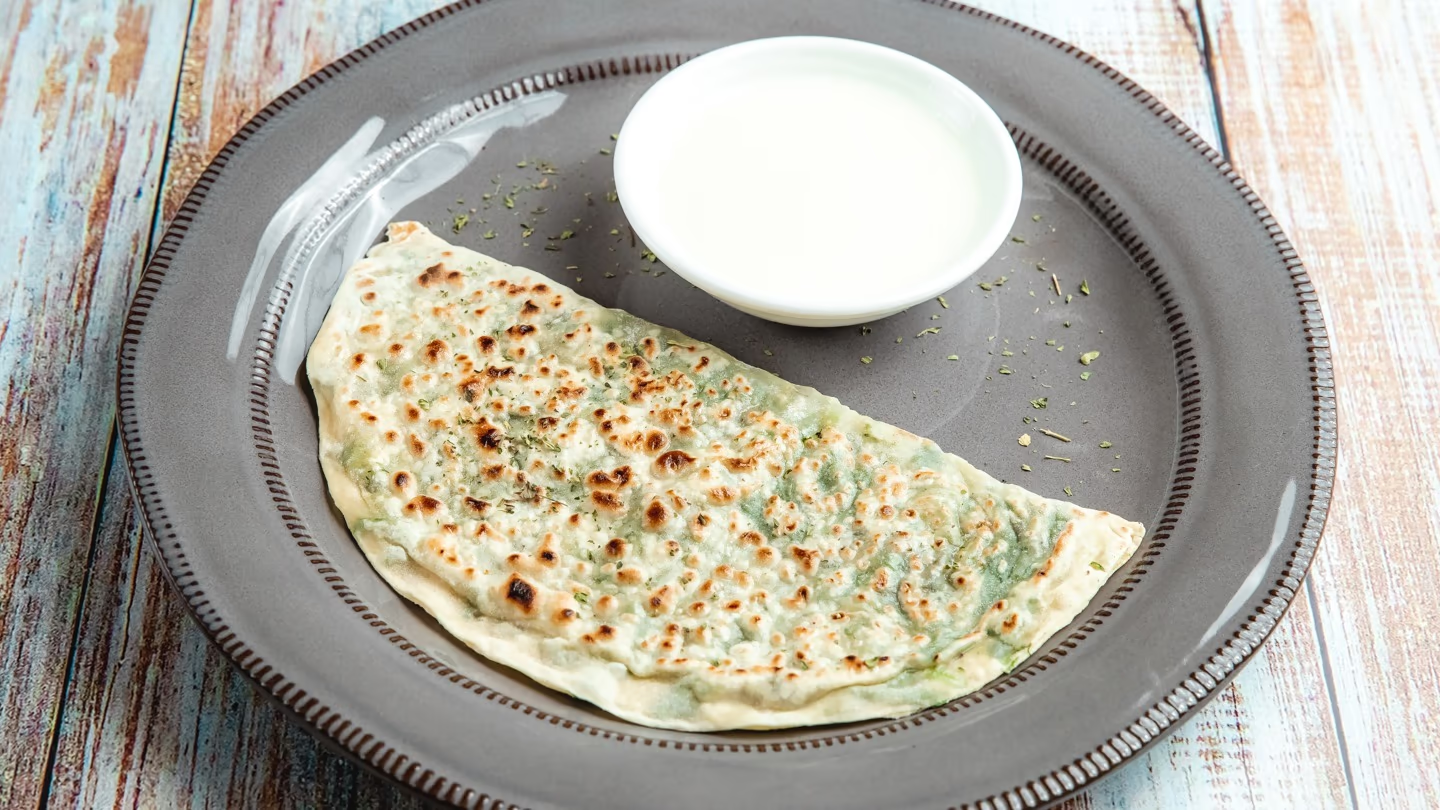
Greens qutab is a delicate, paper-thin flatbread stuffed with a mountain of finely chopped fresh seasonal herbs. It is the ultimate taste of an Azerbaijani spring, naturally vegetarian, incredibly healthy, and bursting with vibrant, earthy flavors.
Qutab with Pumpkin
Pumpkin qutab is a uniquely warming, sweet-and-savory turnover filled with mashed autumn squash, warm spices, and a surprise tart crunch. It bridges the gap between a light meal and a comforting seasonal treat.
Qutab with Cheese
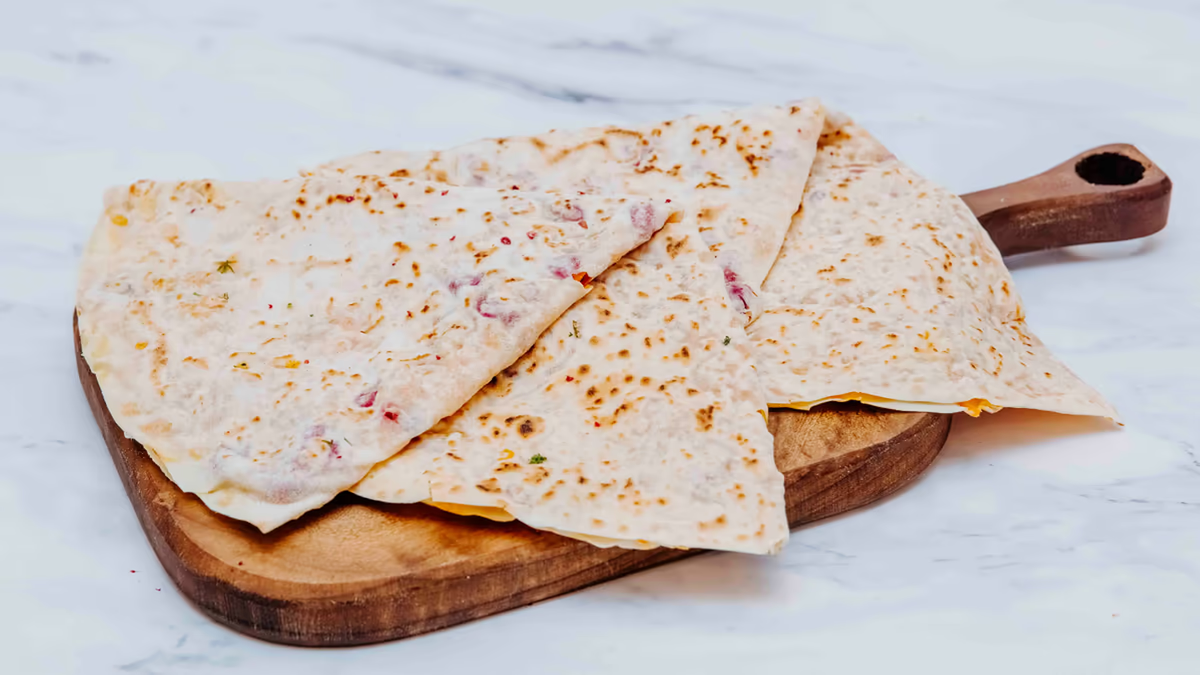
Cheese qutab is a simple, comforting flatbread filled with salty, crumbly Azerbaijani white cheese that softens beautifully inside the hot, toasted dough. It is a quick, beloved snack that pairs flawlessly with fresh tea.
Soups
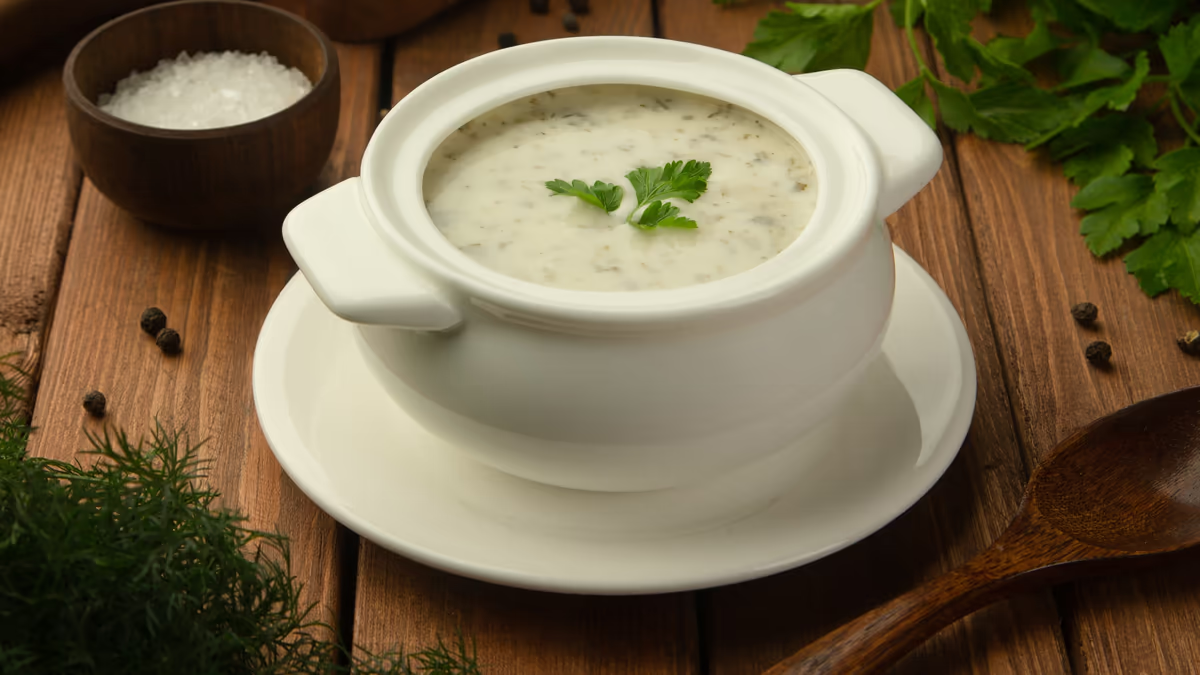
Dovga
Dovga is a cooling yogurt soup with rice, herbs, and sometimes chickpeas and spinach. It can be served hot or cold and is a classic Azerbaijani dish, especially in summer.
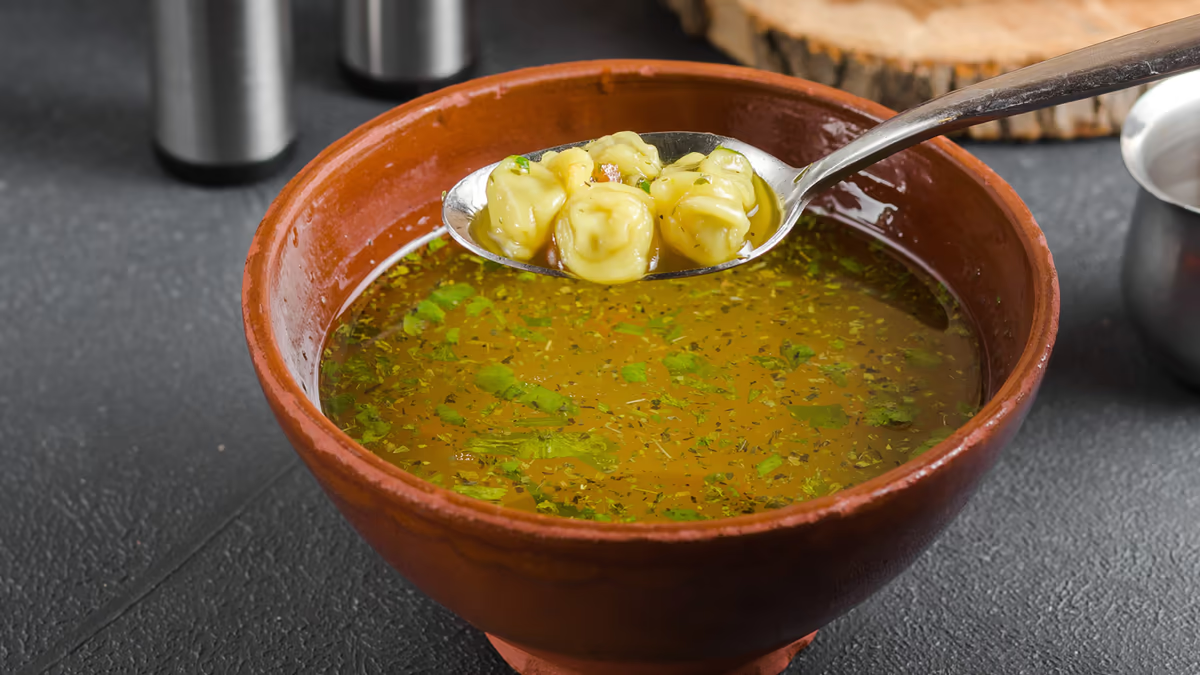
Dushbara Soup
Dushbara is a soup of tiny dumplings filled with minced meat, served in a clear broth. The dumplings are small about the size of a fingernail and are often topped with vinegar, garlic, and mint.
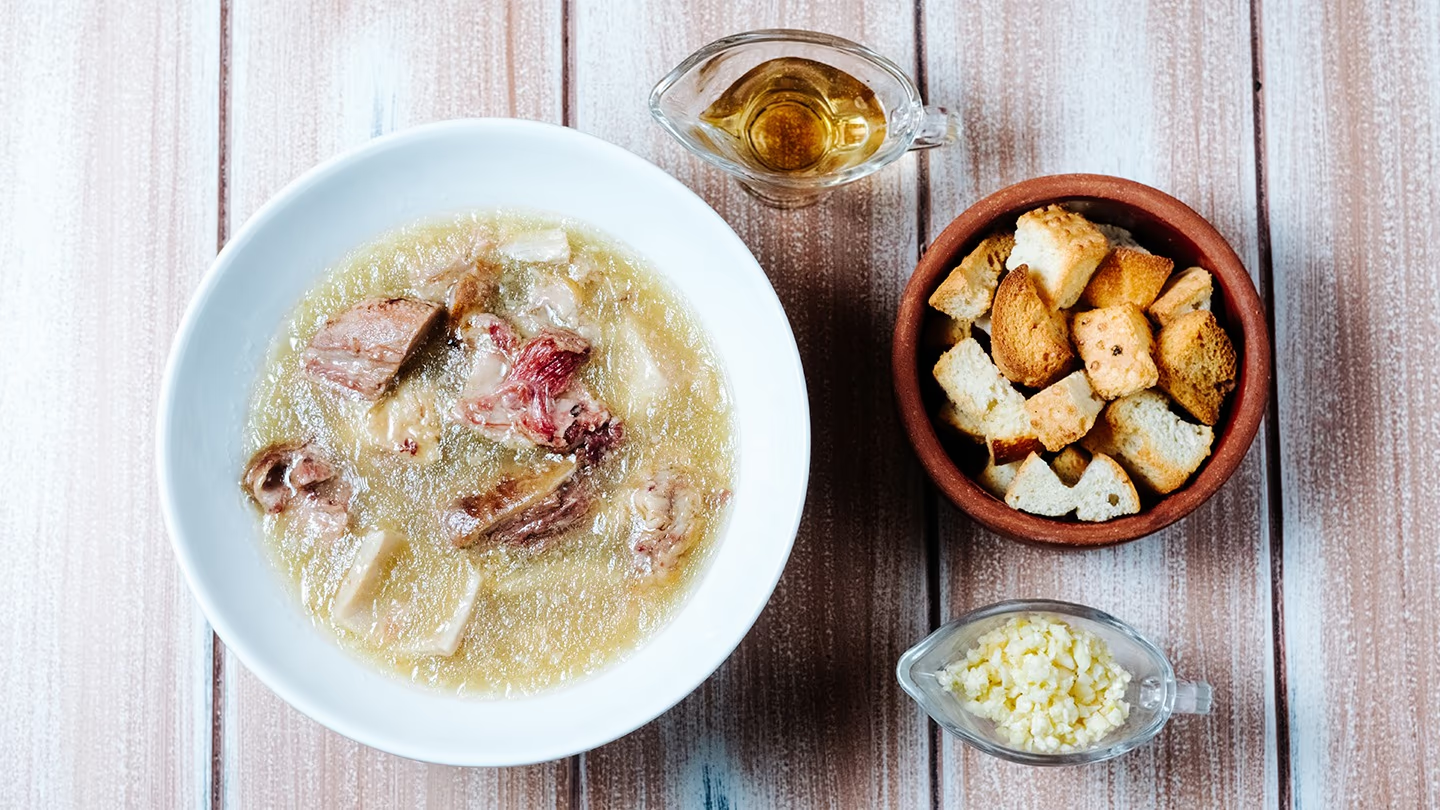
Kelle Pacha
Kelle pacha is a rich broth made from lamb (or calf) head and feet, slow-cooked until gelatinous. It is traditionally eaten in the morning, often with garlic, vinegar, and bread, and is valued as a restorative.
Appetizers
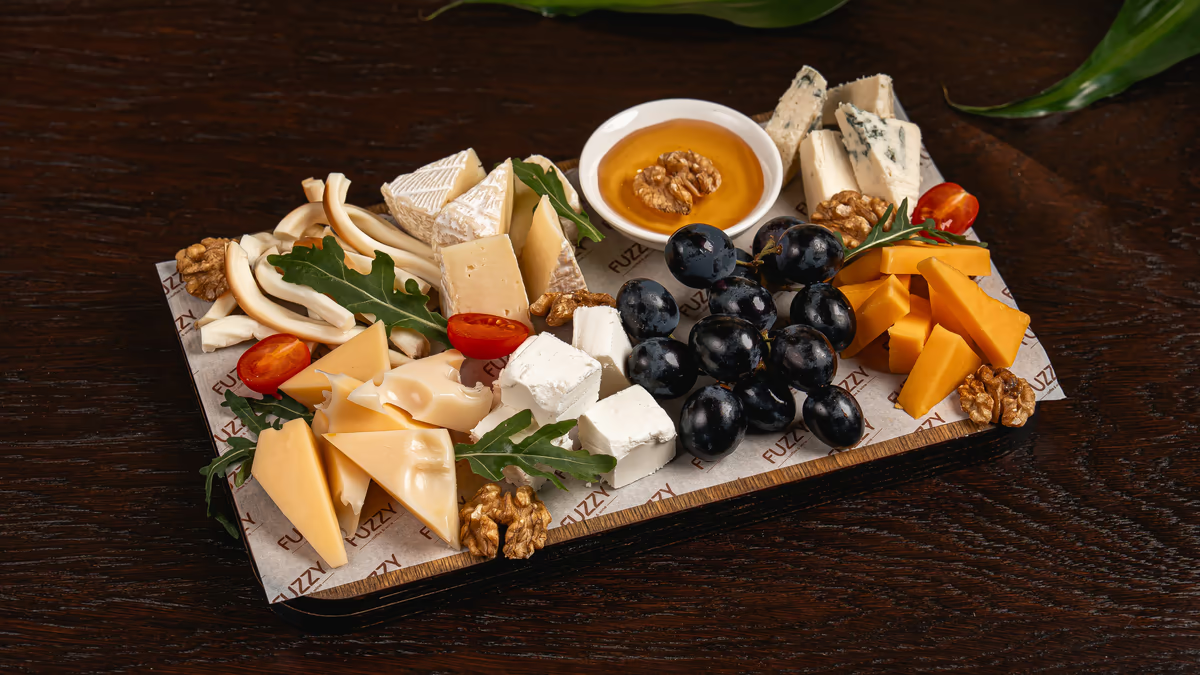
White Cheese Plate
A plate of Azerbaijani white cheese (pendir) salty, brined, and crumbly often served with butter and bread on the tea table or as part of a meal.
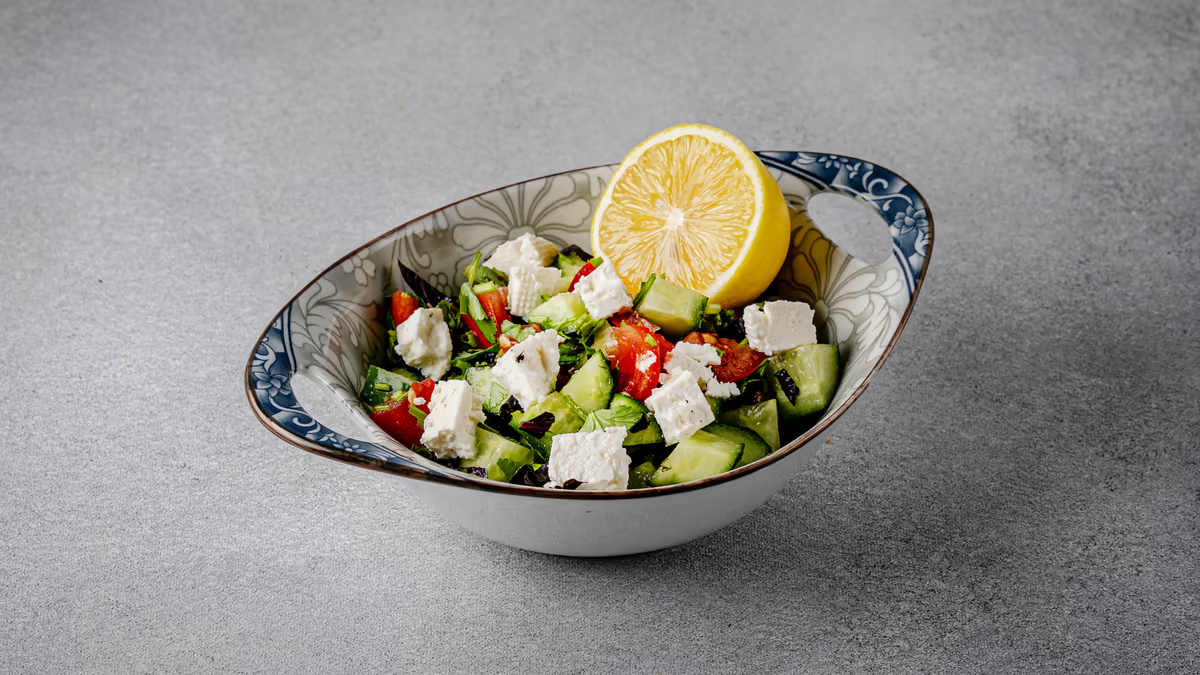
Choban Salad
Choban salad is a simple chopped salad of tomatoes, cucumber, onion, and herbs, dressed with oil. It is the everyday "shepherd's salad" found across Azerbaijan and the region.
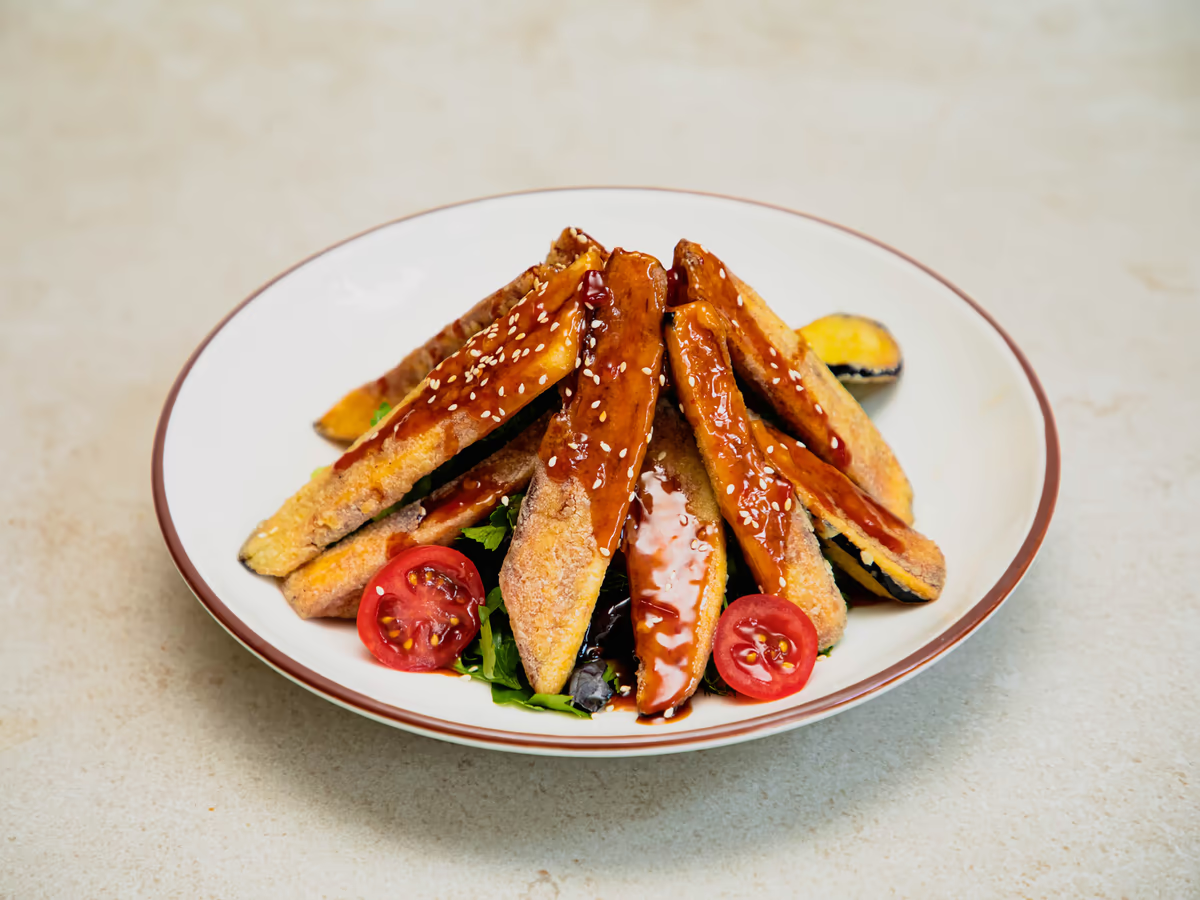
Badımcan Salad
Badımcan salad is a cold eggplant salad with tomatoes, onion, and herbs, dressed with oil. The eggplants are usually roasted or fried until soft. It is a popular appetizer and side in Azerbaijan.
Desserts
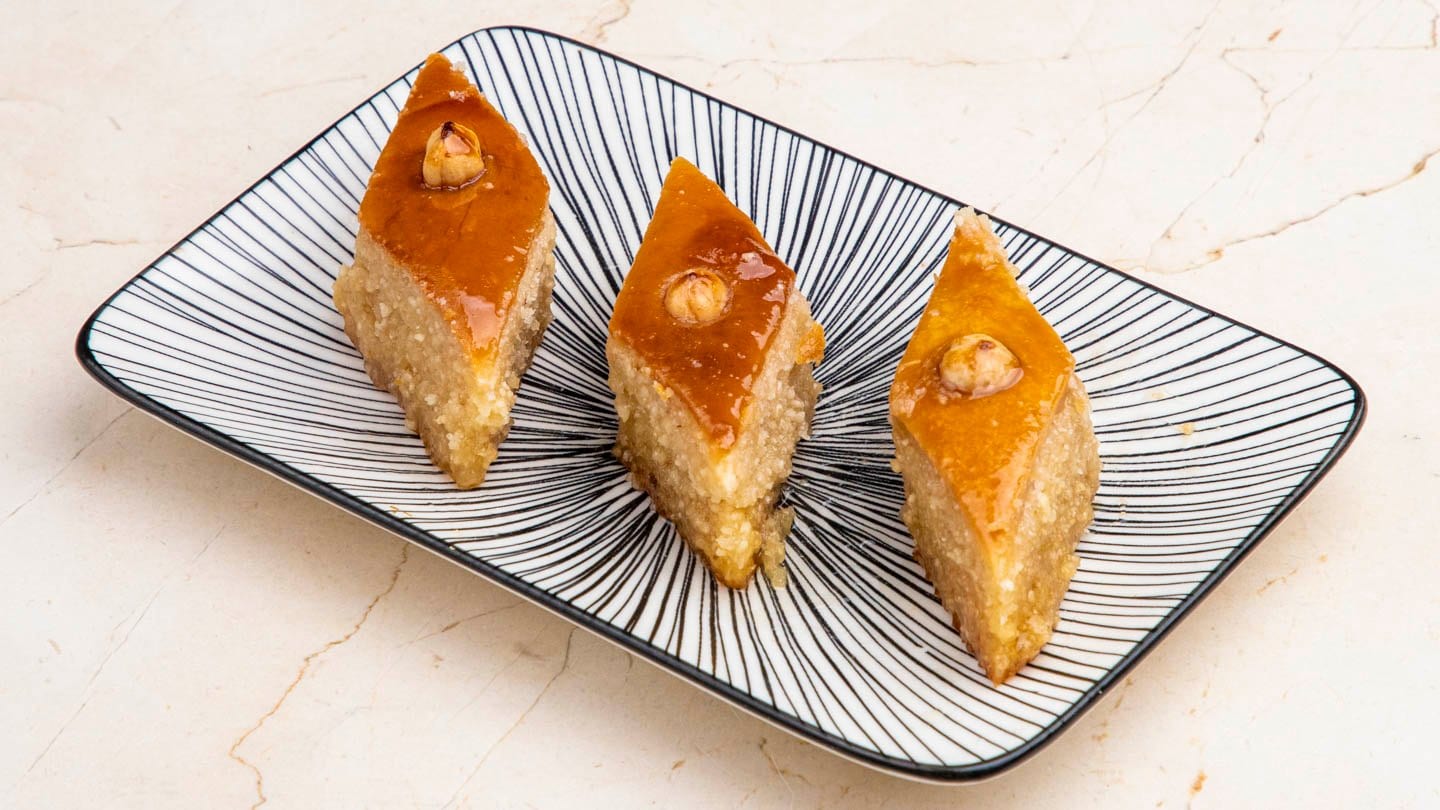
Pakhlava
Pakhlava (paxlava) is a layered pastry of thin dough, walnuts, and honey or sugar syrup, cut into diamonds and flavoured with cardamom. It is the crown of Azerbaijani sweets, especially at Novruz.
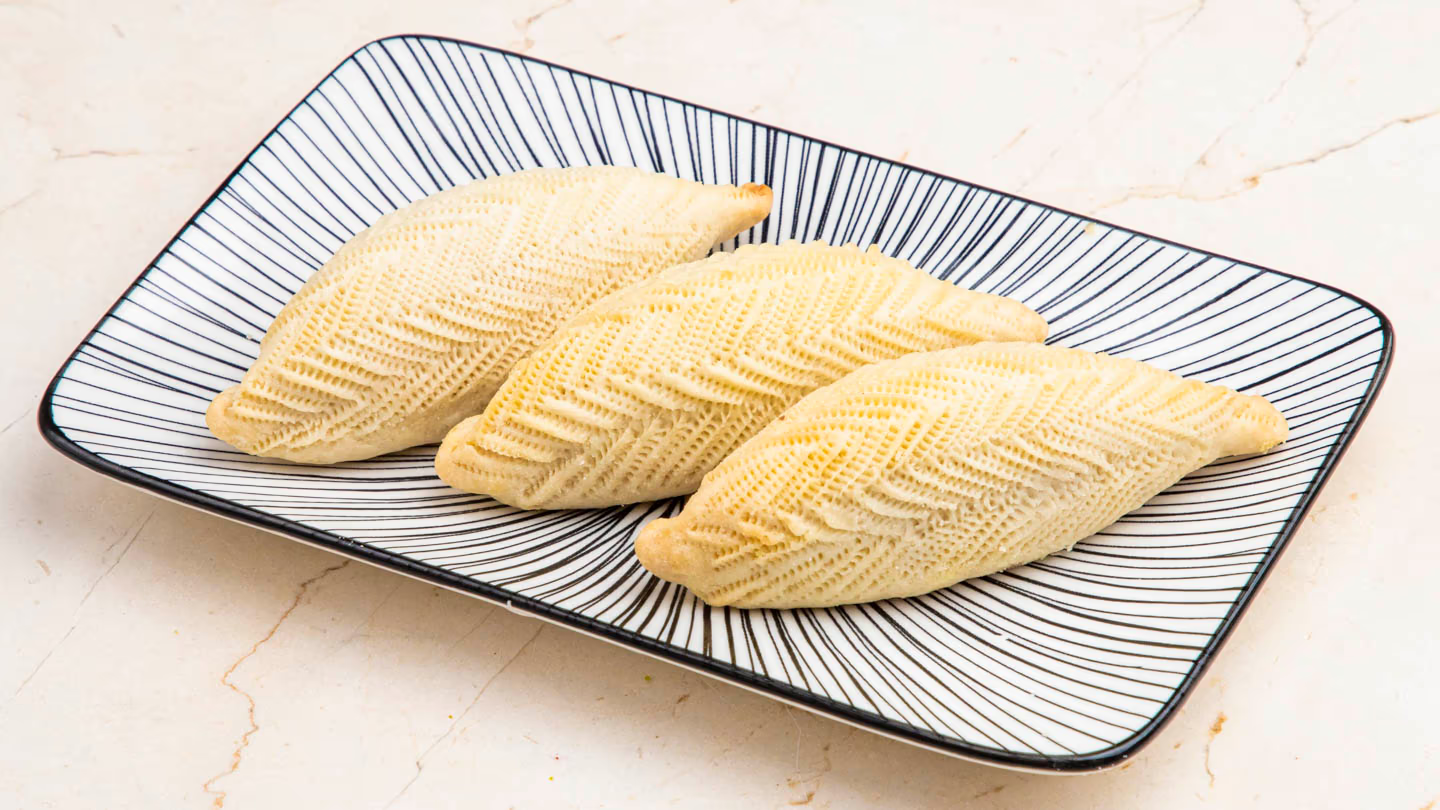
Shekerbura
Shekerbura is a half-moon pastry filled with ground almonds or walnuts and sugar, decorated with a pinched pattern. It is a Novruz classic and one of the three traditional sweets of the holiday.
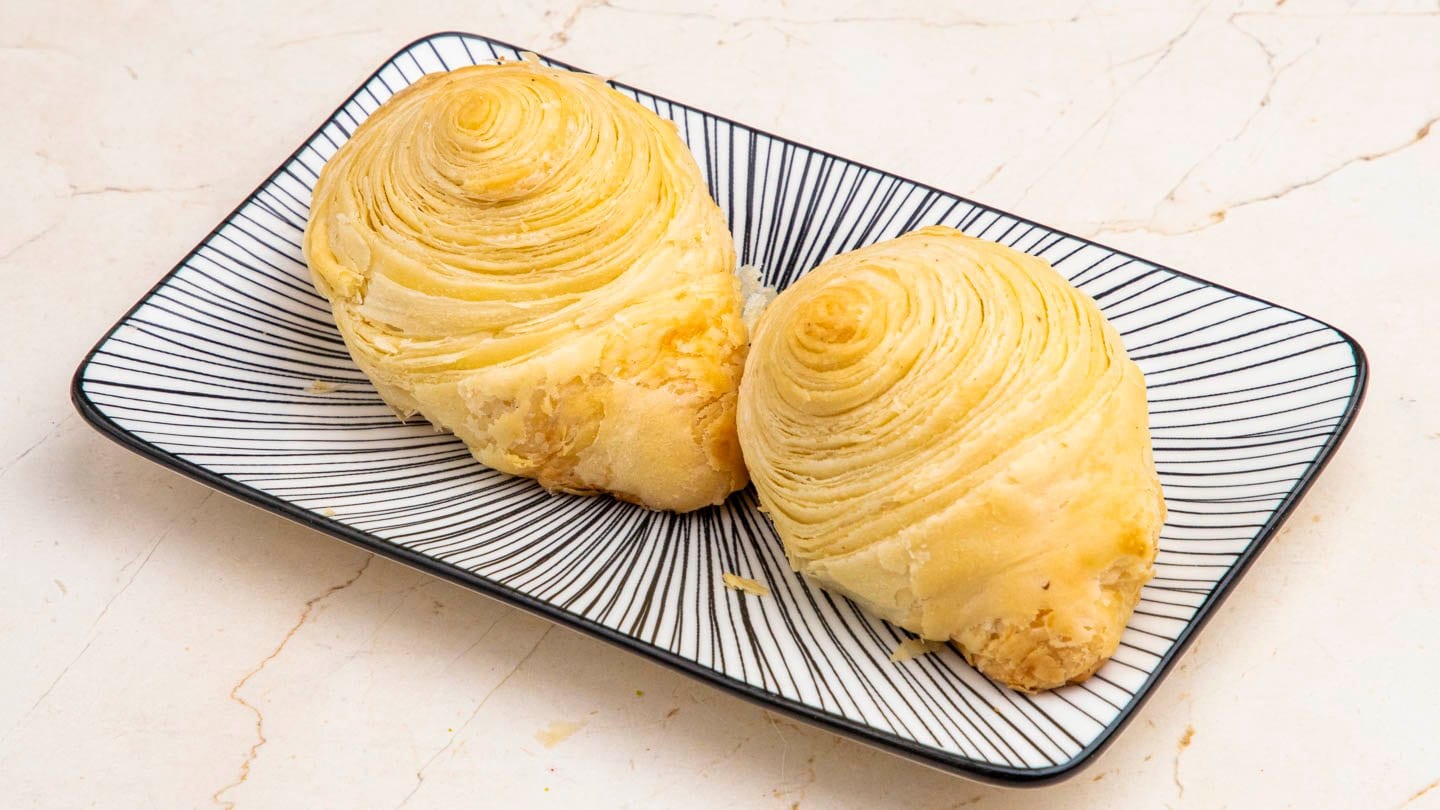
Badambura
Badambura is a small, oval or half-moon pastry filled with ground almonds and sugar, often flavoured with cardamom. It is a Novruz sweet and a cousin to shekerbura.
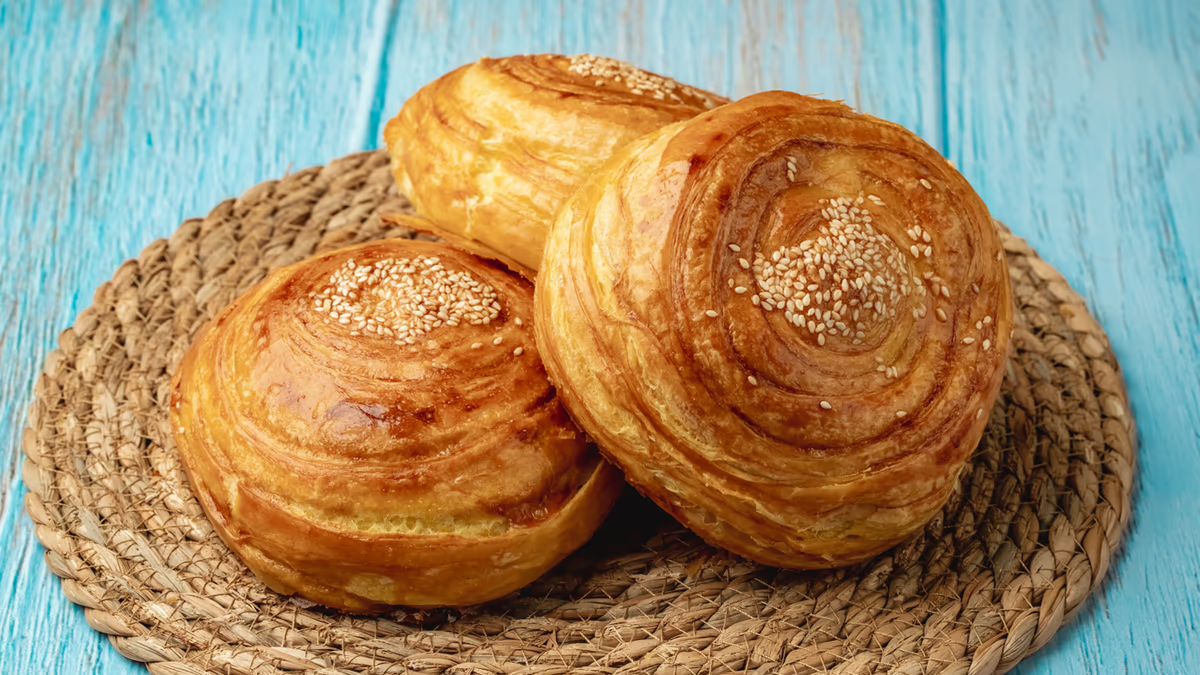
Goghal
Goghal is a round, coiled or layered bread with a sweet or spiced filling (nuts, sugar, spices). It is a Novruz tradition and a symbol of the sun and the new year.
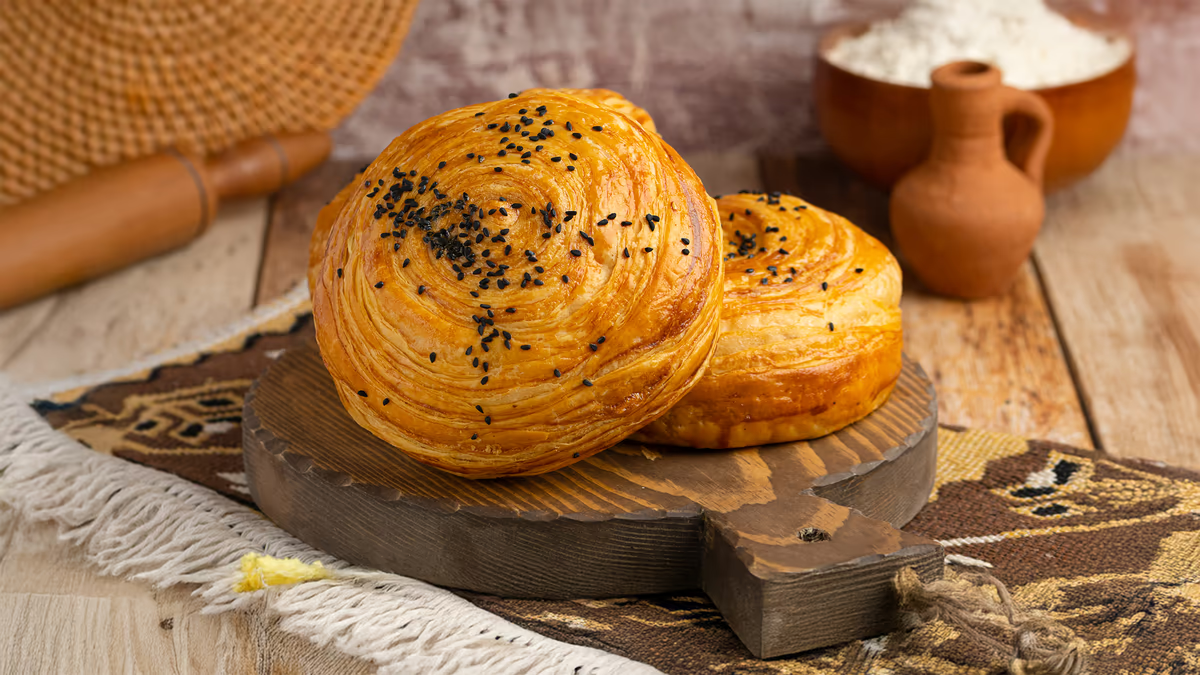
Shor Goghal
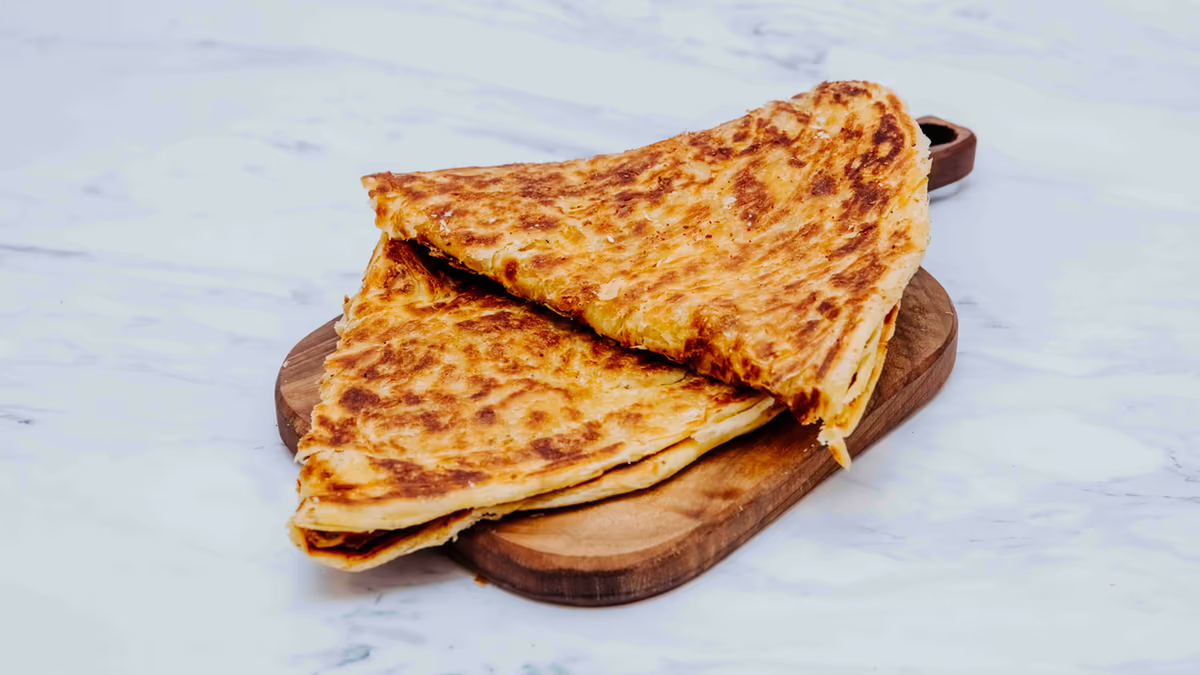
Shor goghal is a layered, flaky bread with a savoury (or sometimes sweet) filling butter, salt, and spices. It is a popular snack and tea accompaniment in Azerbaijan.
Feseli
Feseli is a layered dessert of thin dough or crepe-like layers with a walnut-and-sugar filling, similar to a nutty, sweet layer cake. It is a traditional Azerbaijani sweet, often served with tea.
Jam
Walnut Jam
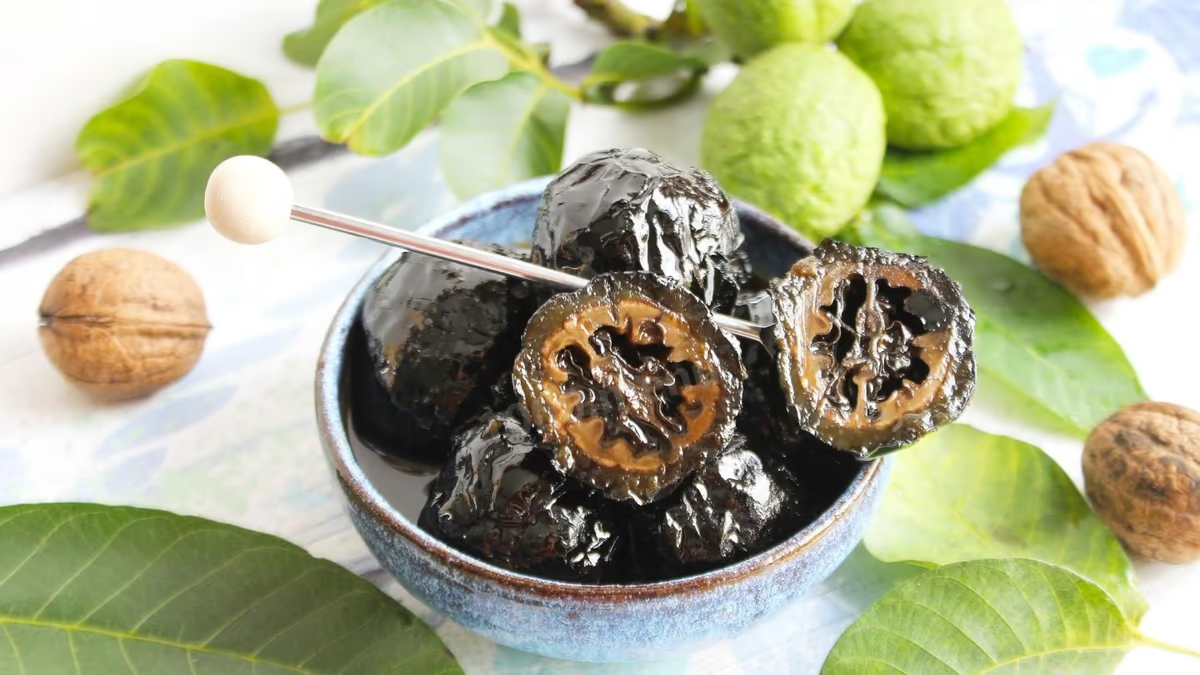
Walnut jam is made from whole young (green) walnuts cooked in syrup until dark and sweet. It is a prized Azerbaijani preserve, often served with tea or cheese.
White Cherry Jam
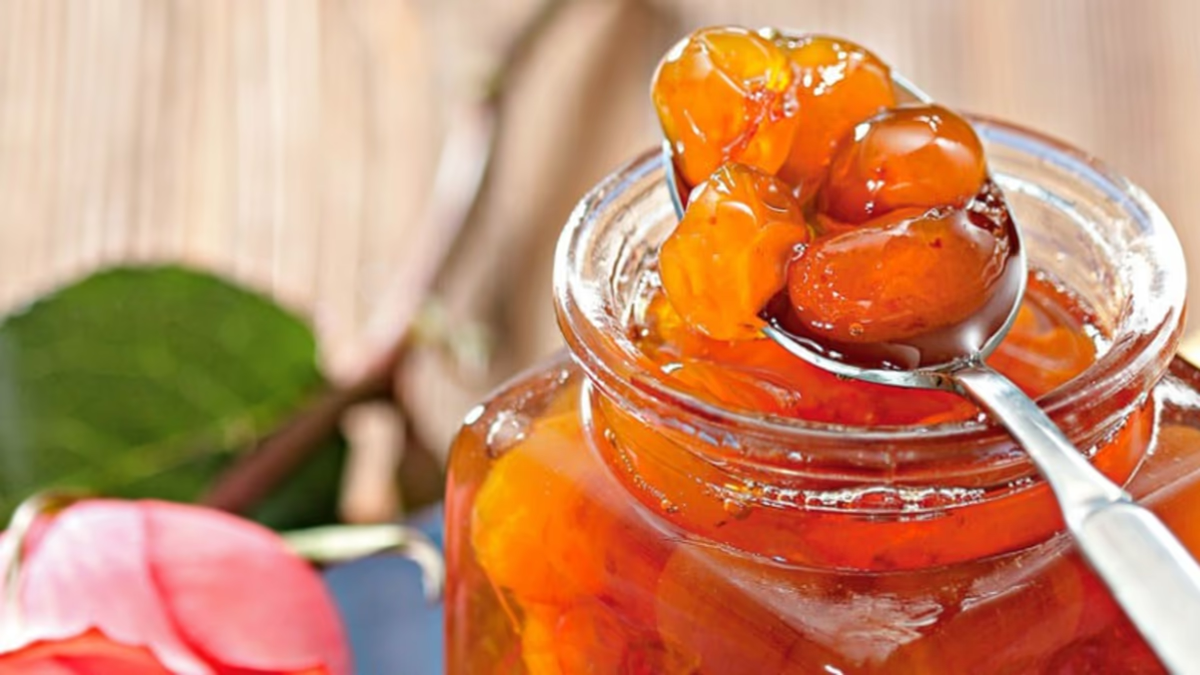
White cherry jam is made from a pale, delicate cherry variety (ağ gilas) native to Azerbaijan. It is a light, fragrant preserve, often served with tea.
Cornelian Cherry Jam
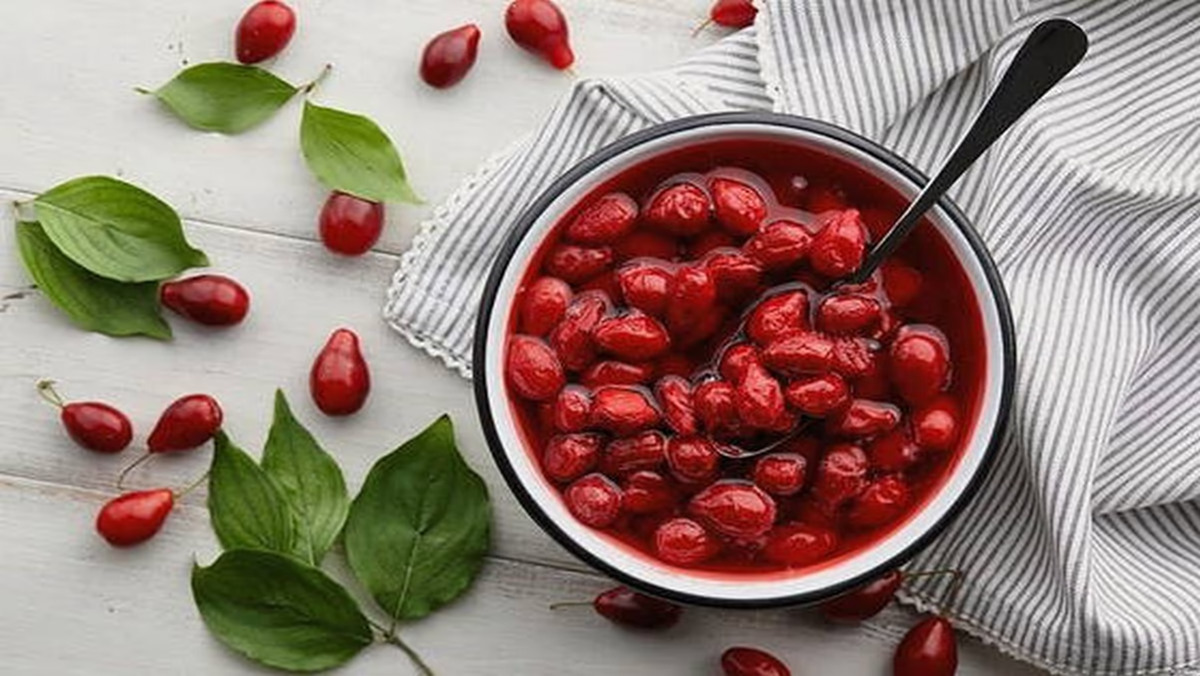
Cornelian cherry jam is made from small, tart cornelian cherries (gilas) cooked with sugar. It has a distinctive sour-sweet taste and is popular in Azerbaijan and the Caucasus.
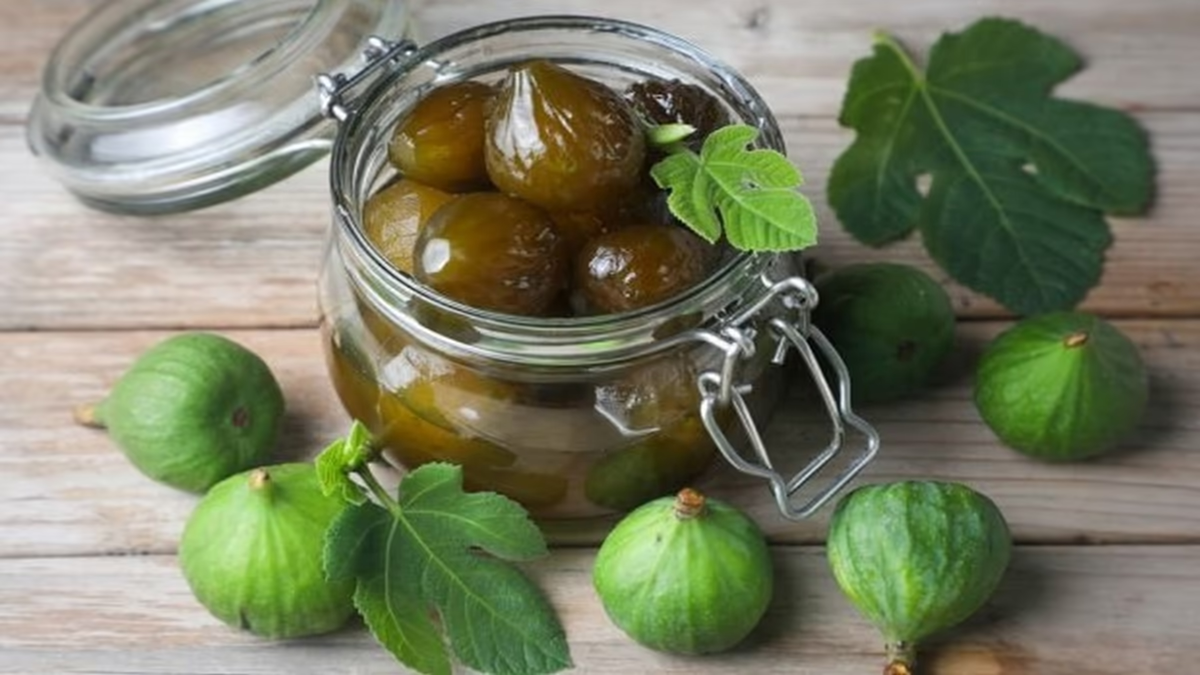
Fig Jam
Fig jam is made from ripe figs cooked with sugar and a little lemon. It can be chunky or smooth and is a favourite on the Azerbaijani tea table.
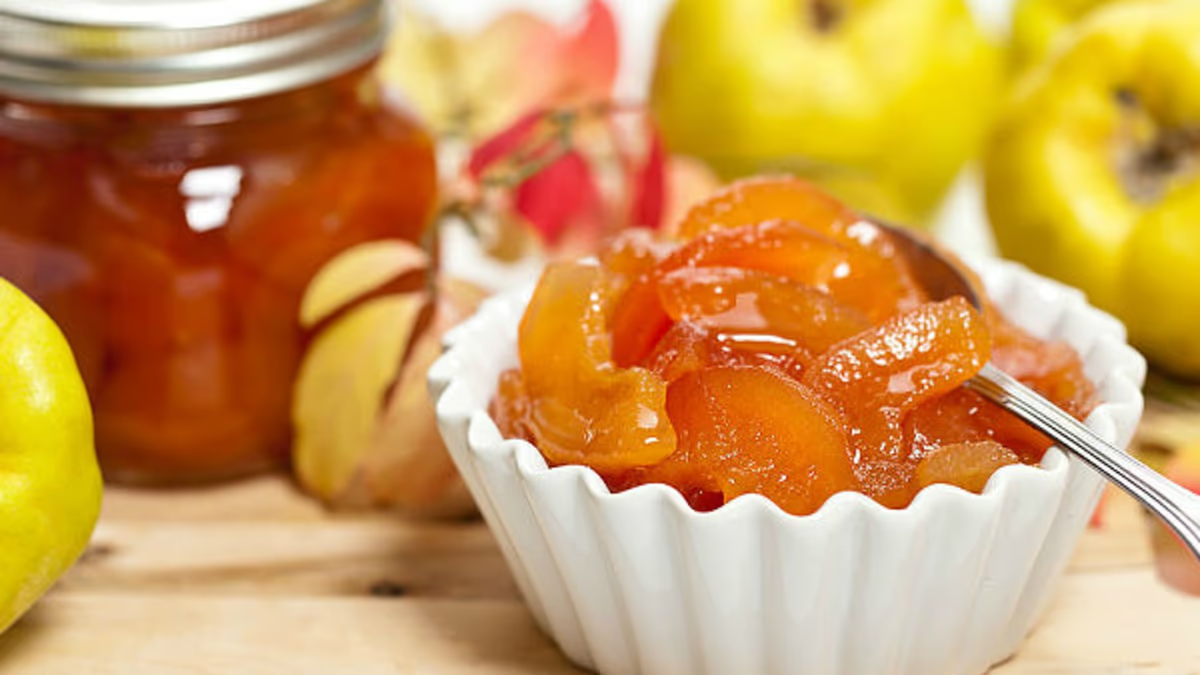
Quince Jam
Quince jam is made from quinces (heyva) cooked long with sugar until they turn deep red and the syrup thickens. It is a beloved Azerbaijani preserve, often with visible pieces of fruit.
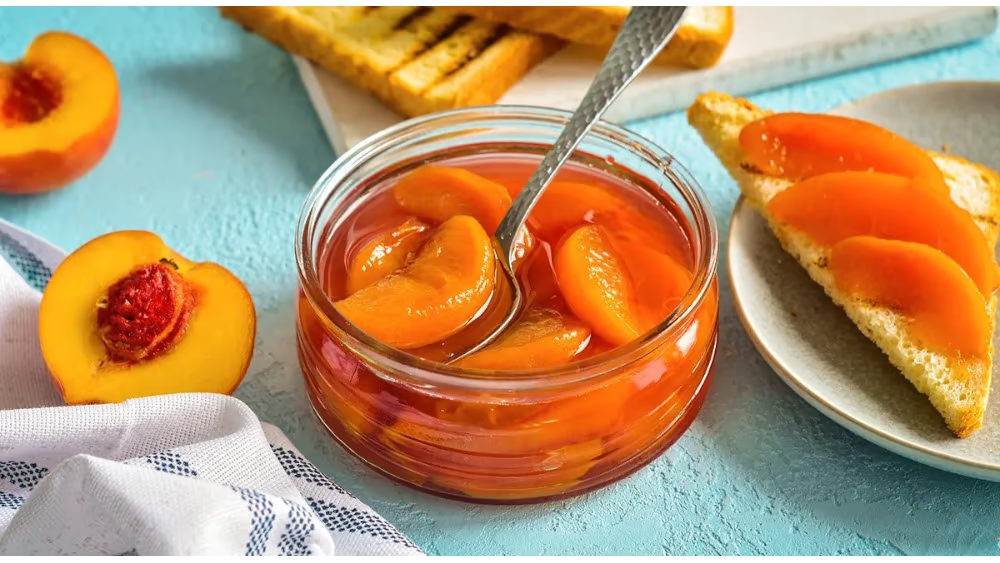
Apricot Jam
Apricot jam is a sunny, sweet preserve made from ripe apricots and sugar. It is one of the most popular jams in Azerbaijan and is often served with tea or with cheese and bread.
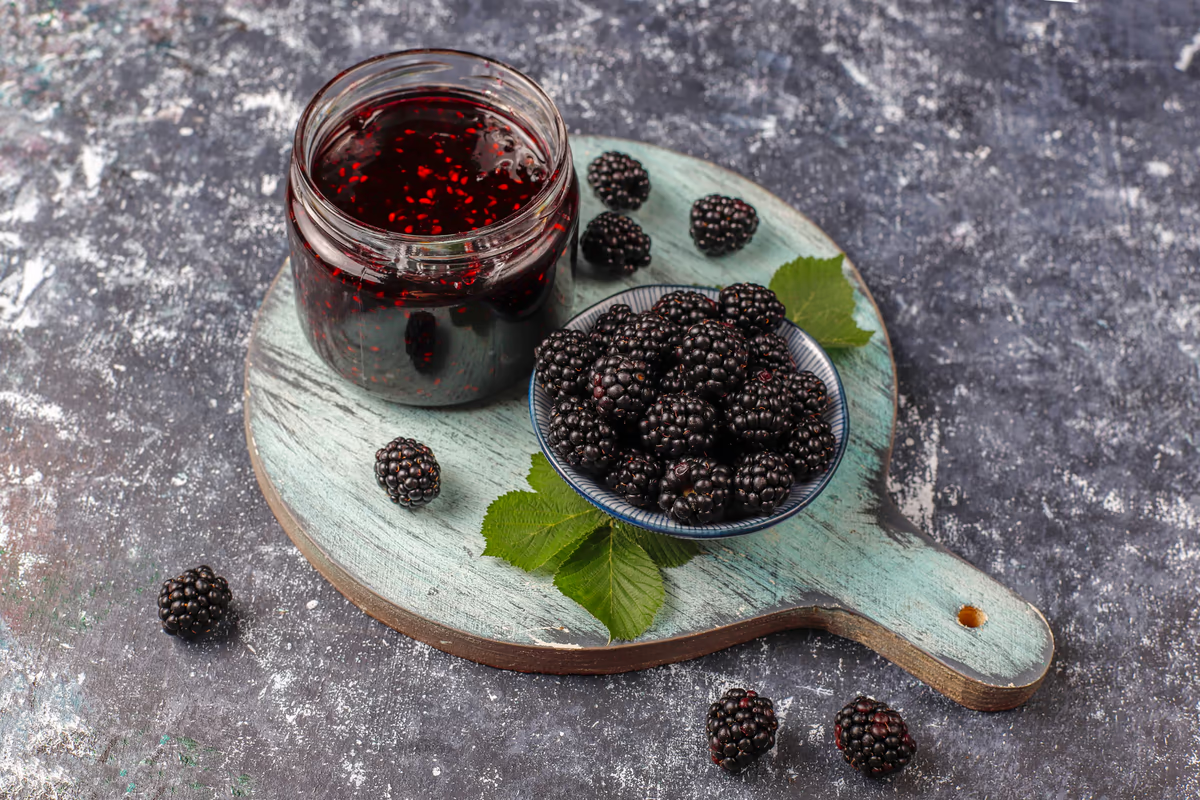
Mulberry Jam
Mulberry jam is made from black or white mulberries (tut) cooked with sugar. It is a traditional Azerbaijani preserve, often associated with summer and with home remedies for colds.
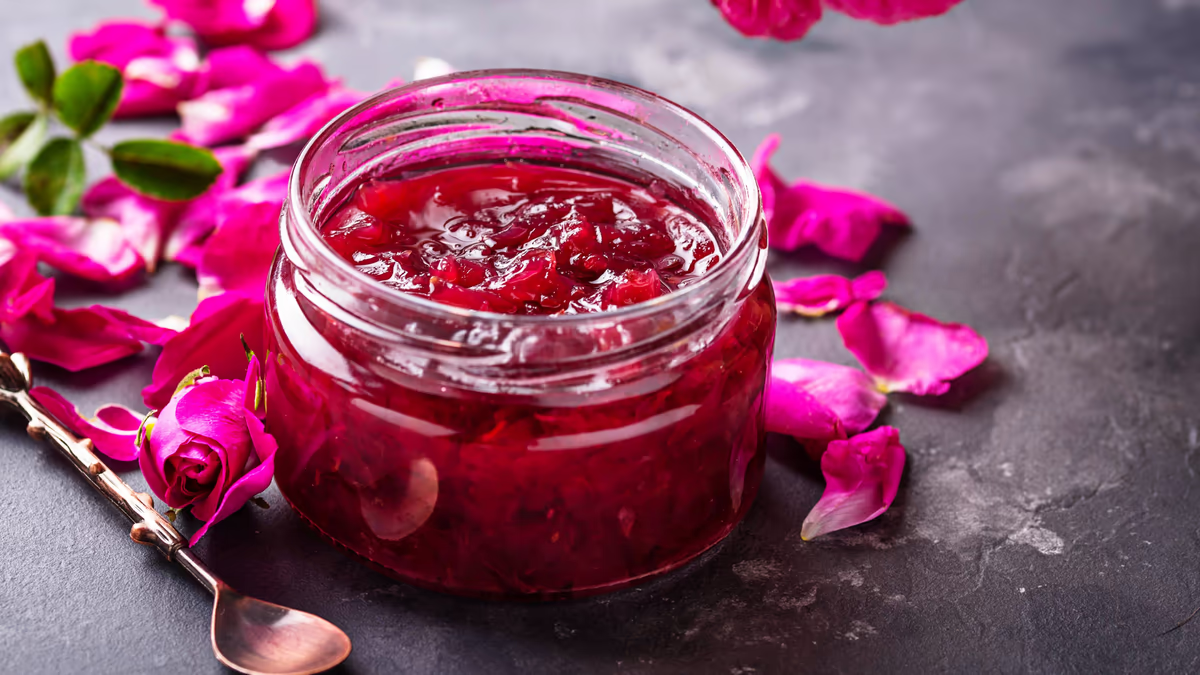
Rose Petal Jam
Rose petal jam is made from edible rose petals (usually damask or similar) cooked with sugar and lemon. It is a delicate, floral preserve, often served at special occasions and with tea.
Drinks
Azerbaijani Black Tea
Azerbaijani black tea is strong, dark tea served in a pear-shaped armudu glass, often with jam or sugar. It is the centre of hospitality and the tea table (çay süfrəsi) in Azerbaijan.
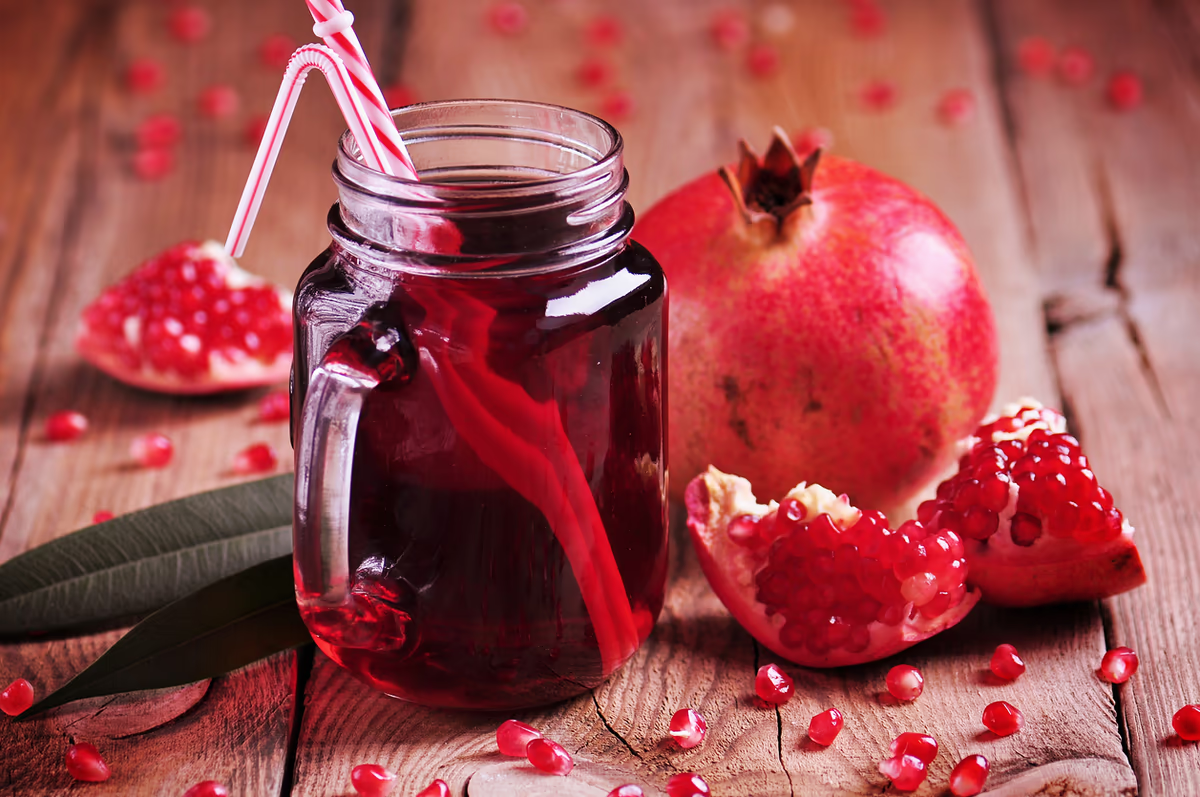
Fresh Pomegranate Juice
Fresh pomegranate juice is squeezed from ripe local pomegranates and served cold. Azerbaijan is known for its pomegranates; the juice is a popular drink and symbol of the country.