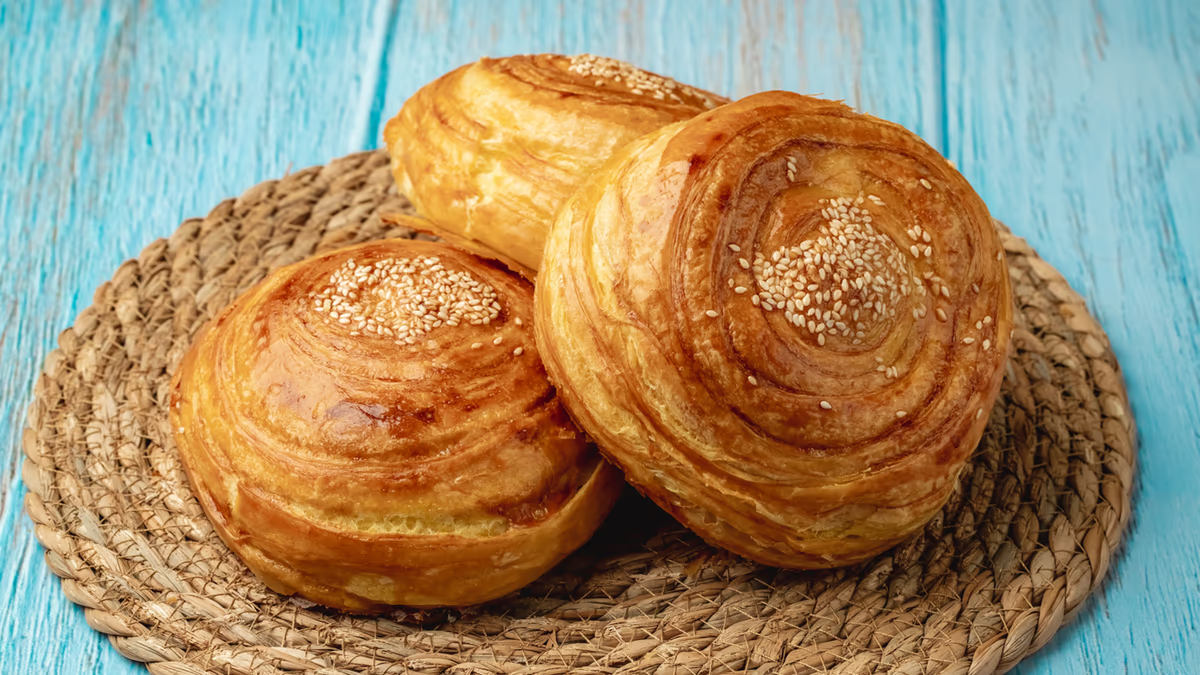
Goghal
Goghal is a round, coiled or layered bread with a sweet or spiced filling (nuts, sugar, spices). It is a Novruz tradition and a symbol of the sun and the new year.
What is Goghal?
Goghal (qovurma goghal, sweet goghal) is a round, coiled or layered bread from Azerbaijan. The dough is rolled out, spread with a filling of sugar, butter, spices (cumin, fennel, anise), and sometimes nuts, then coiled or layered into a round shape and baked. It is golden, fragrant, and one of the three symbolic Novruz sweets (with pakhlava and shekerbura). The round shape is said to represent the sun.
How do you eat Goghal?
Goghal is broken or cut into wedges and eaten with tea. It is slightly sweet and spiced one or two pieces with strong black tea is typical. It is served at room temperature, especially at Novruz, often on a tray with other sweets. Eat with your hands.
What spices are used in Goghal?
Cumin (cirə), fennel (razıana), and anise are the classic spices in the filling. Turmeric or saffron is often added for yellow colour. The mix is sweet (sugar) and aromatic (spices). Some versions add ground walnuts or almonds. The result is warm, slightly sweet, and fragrant.
The Symbol of the Sun
Completing the Novruz triad (alongside the star and the moon), Goghal represents the bright, burning Sun. This is why the dough is traditionally infused with a heavy dose of saffron or turmeric water, giving the pastry a brilliant, golden-yellow hue. The circular, coiled shape represents the continuous cycle of the seasons and the warm sun that melts the winter snow.
The Secret "Umaj" Filling
The sweet filling inside a Goghal is not just plain sugar. It is a specific, traditional mixture called "umaj". Cooks take flour, melted butter, sugar, and warm spices, and rub them together vigorously between their palms until the mixture turns into sweet, crumbly granules that resemble wet sand. This crumble melts perfectly into the buttery layers during baking.
Ingredients
- Flour
- Butter
- Sugar
- Spices (cumin, fennel, anise)
- Nuts (walnuts or almonds)
- Turmeric or saffron (for colour)
- Yeast
Frequently asked questions
- What does the round shape of Goghal symbolize?
- The round shape is said to symbolise the sun and the cycle of the year fitting for Novruz, the spring equinox and new year. Coiling the dough into a circle also makes it easy to share by breaking or cutting into wedges.
- Is Goghal always sweet?
- No. Sweet goghal (with sugar and spices) is the most common for Novruz. There is also shor goghal (salty goghal), which is layered and filled with butter and salt (or a savoury filling). So: sweet goghal for the holiday table, shor goghal for a savoury snack.
- Does sweet Goghal taste like a standard cake?
- No, it has a very unique, bread-like texture. Because the dough contains yeast, it is much fluffier and more filling than the thin, crispy dough of Pakhlava. It tastes like a heavily spiced, rich, buttery brioche rolled into a crispy spiral.