Govurma
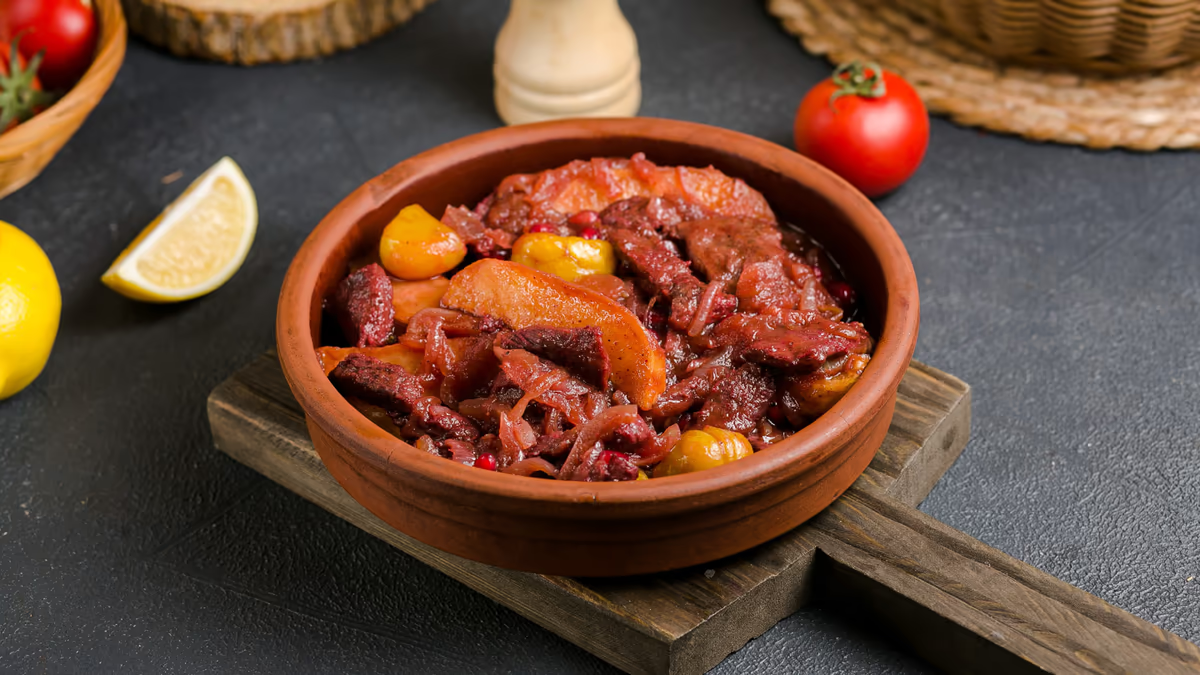
Govurma is meat (lamb or beef) fried with plenty of onion and butter until tender and golden. It is a hearty, traditional main dish in Azerbaijan, often made in large batches and once valued for keeping well.
What is Govurma?
Govurma (or qovurma) is a traditional Azerbaijani dish of meat usually lamb or beef diced and fried with a large amount of onion and butter (or lamb fat) until the meat is tender and the onions are golden and soft. No water or broth is added; it is a dry fry. The result is rich, fragrant, and filling. It was historically made in autumn to use preserved meat and onions and could be kept for a while.
How do you eat Govurma?
Govurma is served hot as a main course, usually with flatbread (lavash or tendir), rice (plain or plov), or potatoes. Take a piece of meat with some onion and eat with bread or a spoonful of rice. A simple salad or yogurt on the side is common. It is everyday home cooking and also found in restaurants.
What are the main ingredients in Govurma?
The main ingredients are meat (lamb or beef, diced), onion (sliced or chopped, used generously), and butter or lamb fat for frying. Salt and pepper are essential; some add a little cumin or coriander. Nothing else is required no tomatoes, no water. The onion softens and almost melts, giving the dish its sweet, savoury base.
The Ancient Winter Preservation Method
Before modern refrigeration, Govurma was a survival staple in the mountainous regions of Azerbaijan. Families would prepare massive amounts of this dish in late autumn. Once the meat and onions were perfectly fried, the mixture was packed tightly into large clay jugs called "kup". Melted lamb fat (tail fat) was poured over the top to create an airtight seal. Stored in cold cellars, this preserved meat would feed families throughout the harsh winter months. Today, while we eat it fresh, the cooking technique remains exactly the same.
Popular Regional Variations
While the classic onion and meat version is standard, Azerbaijani cuisine features amazing seasonal variations. In autumn, you must try Nar Qovurma, where fresh pomegranate seeds and chestnuts are tossed into the pan at the very end, giving the savory meat a bright, tart burst of flavor. Another famous version is Turshu Qovurma, which includes sour dried plums (alcha) and is often served alongside rice pilaf.
Ingredients
- Lamb or beef (diced)
- Onion
- Butter or lamb fat
- Salt
- Pepper
- Spices (optional: cumin, coriander)
Frequently asked questions
- Is Govurma a stew or a roast?
- Neither in the usual sense. Govurma is pan-fried: the meat and onion are cooked in fat in a pot or pan with no added liquid, so it is not a stew. It is also not an oven roast it is done on the stove until the meat is tender and the onion is golden. So it is a dry, fried meat-and-onion dish.
- How was Govurma traditionally preserved?
- Traditionally, govurma was made in large quantities in autumn when meat and onions were plentiful. Cooked in fat and stored in a cool place (or in jars with a layer of fat on top), it would keep for weeks. The fat acted as a seal. Today it is usually made fresh and eaten straight away, but the dish still reflects that preserving tradition.
- What kind of pot is best for cooking Govurma?
- Traditionally, Govurma is cooked in a heavy copper pot called a "qazan" or a thick cast-iron pan. Heavy cookware is essential because the dish cooks for a long time in its own fat without water. A thin pan would burn the onions before the meat becomes perfectly tender.
- Why is lamb tail fat used instead of oil?
- Lamb tail fat (quyruq) is the traditional cooking fat in Azerbaijani cuisine. It gives Govurma its signature rich, deep flavor that vegetable oil simply cannot replicate. It also helps caramelize the onions to a perfect golden brown.