Lula Kebab
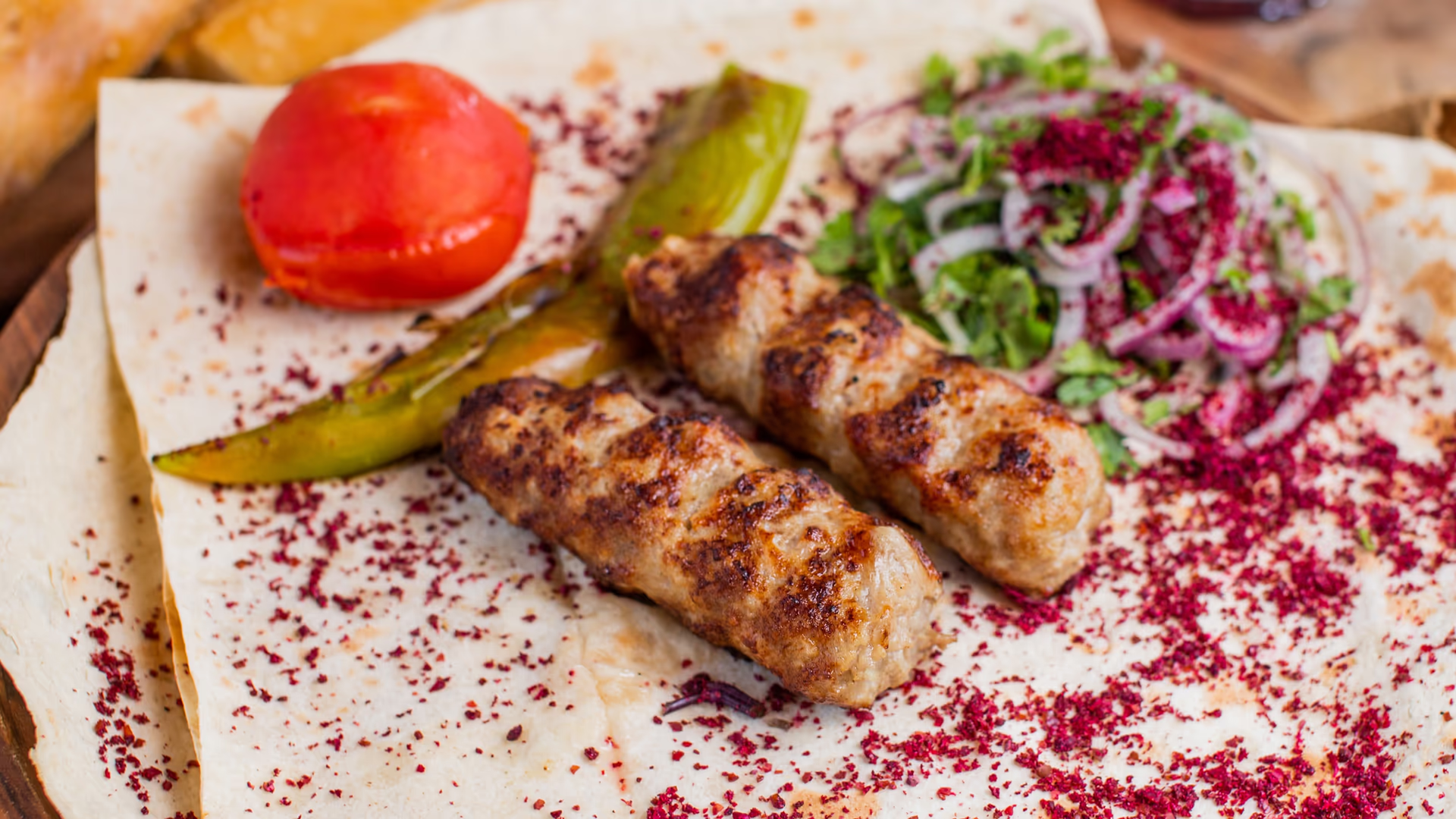
Lula kebab is a legendary grilled sausage of minced lamb mixed with onion, herbs, and spices, shaped perfectly around a flat skewer and cooked over glowing charcoal. It is a street-food and restaurant favourite across Azerbaijan, famous for its melt-in-the-mouth texture.
What is Lula Kebab?
Lula kebab (also spelled lyulya or lule) is the ultimate test of an Azerbaijani kebab master (kababchi). It is made from minced meat: usually fatty lamb, often mixed with "quyruq" (lamb tail fat) to ensure extreme juiciness. The meat is finely minced, then vigorously kneaded by hand with finely chopped onions, salt, and black pepper. This kneading process is crucial: it releases the meat's proteins, turning the mixture into a sticky paste. This allows the chef to mould the meat around a wide, sword-like metal skewer without using any eggs, breadcrumbs, or artificial binders. It is then grilled quickly over a hot charcoal "mangal" (grill). The result is a slightly charred, smoky crust on the outside, while the inside remains incredibly juicy and tender.
How do you eat Lula Kebab?
Eating Lula kebab is a hands-on, interactive experience. It is usually brought to the table still sizzling on the skewer. The traditional way to eat it is to take a piece of thin, soft lavash bread, wrap it around the meat, and slide the kebab off the hot metal skewer directly into the bread. You then sprinkle the meat generously with sumac (a tangy, crimson-coloured berry powder) and top it with thinly sliced red onions. Wrap it up and eat it with your hands! The sumac cuts through the rich lamb fat, and the lavash catches all the delicious dripping juices.
What meat is used for Lula Kebab?
Traditionally, it is made purely of lamb. The secret ingredient that makes authentic Azerbaijani Lula kebab so special is "quyruq" (lamb tail fat). This natural fat melts during grilling, preventing the meat from drying out over the hot coals. While you can find variations made with beef or a lamb-beef mix (especially in modern cafes), the traditional, authentic taste relies on high-quality local lamb.
Ingredients
- Minced lamb (shoulder or leg)
- Lamb tail fat (quyruq)
- Finely grated onion (with excess juice squeezed out)
- Salt and black pepper
- Lavash (for serving)
- Sumac and red onions (for garnish)
Frequently asked questions
- What is the difference between Lula and Tika Kebab?
- The difference is entirely in the preparation of the meat. "Lula" refers to minced meat that is kneaded and shaped like a long sausage around a flat skewer. "Tika" (which means "piece" in Azerbaijani) refers to whole chunks of solid meat that are marinated and threaded onto the skewer. Lula is soft, fatty, and melts in the mouth, while Tika offers a firmer, meatier bite.
- Is Lula Kebab spicy?
- No, traditional Azerbaijani Lula kebab is not spicy or hot at all. The flavour profile relies entirely on the high quality of the meat, the smokiness of the charcoal, and simple seasoning (salt and black pepper). Sumac and raw onion on the side add a tangy, sharp note. If you want heat, you can ask for a side of grilled hot peppers or spicy sauce, but the kebab itself is mild.