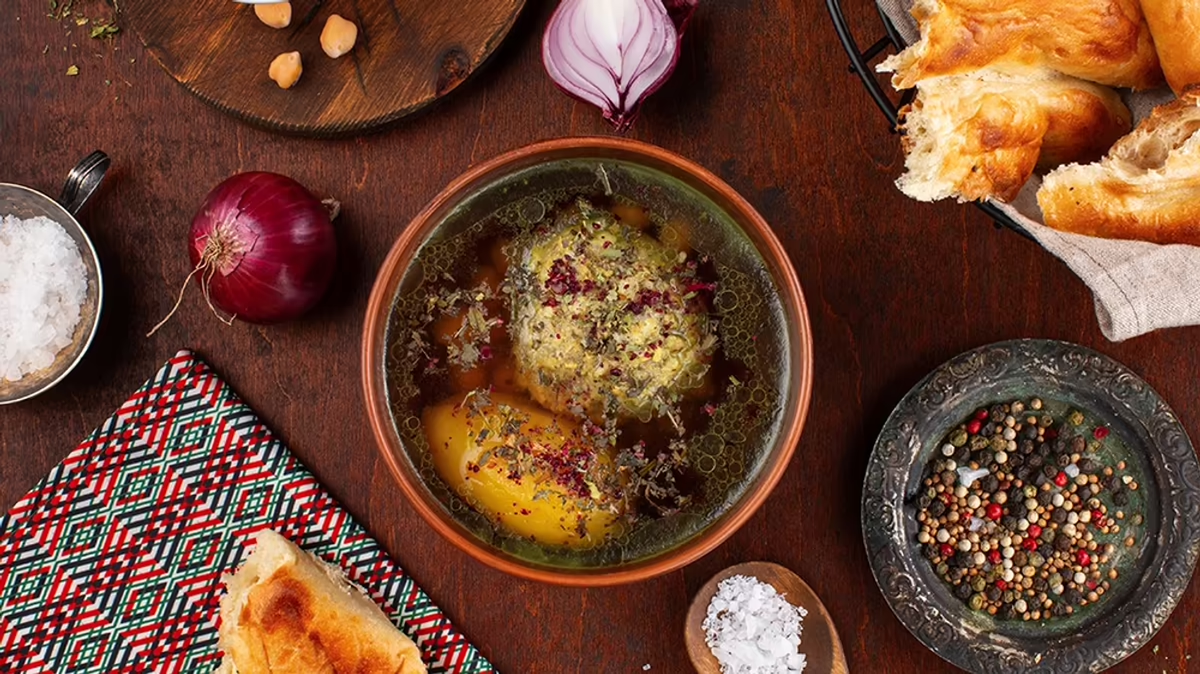
Bozbash
Bozbash is one of the oldest pillars of Azerbaijani home cooking: a hearty lamb stew with potatoes, chickpeas, and dried sour plums (alcha). The name means "grey head," referring to the cloudy broth. It is the quintessential family dinner, cooked in one large pot to feed a crowd.
What is Bozbash?
Bozbash is one of the oldest and most comforting pillars of Azerbaijani home cooking. The name translates roughly to "grey head," referring to the light, cloudy color of the rich lamb broth. It is a hearty, sustaining stew made by boiling large pieces of bone-in lamb (usually ribs or shanks) until the broth is deeply flavored. Once the meat is tender, large chunks of potatoes, whole soaked chickpeas, and the defining ingredient, dried sour plums (alcha), are added to the pot. In the summer, fresh tomatoes and bell peppers might be added, creating a variation called "Yay Bozbash" (Summer Bozbash). Unlike the restaurant-focused Piti, Bozbash is the quintessential family dinner, cooked in a large single pot to feed a crowd.
How do you eat Bozbash?
Bozbash is served piping hot in deep, wide bowls. A proper serving must include a piece of meat on the bone, a whole potato, a ladle of chickpeas, and plenty of the fragrant, tangy broth. It is always eaten with a spoon, with a stack of fresh lavash or tendir bread on the table. Diners will often tear pieces of bread directly into the broth to soak up the liquid. A plate of fresh, spicy greens (like watercress, radish, and raw garlic stalks) is the perfect accompaniment to refresh the palate between bites of the heavy lamb.
What makes Bozbash different from Piti?
While they share similar ingredients (lamb, chickpeas, potatoes), they are completely different experiences. Piti is cooked in individual clay pots for 12 hours, features chestnuts, and requires a specific two-step mashing ritual to eat. Bozbash, on the other hand, is cooked in one large communal pot on the stove, does not contain chestnuts, and is eaten like a traditional chunky stew or soup straight from the bowl. The most defining flavor difference is the heavy use of sour plums in Bozbash, which gives the broth a distinct, bright tartness that Piti lacks.
Ingredients
- Lamb ribs or shanks (bone-in)
- Potatoes (peeled and halved)
- Chickpeas (soaked overnight)
- Dried sour plums (alcha)
- Onions (kept whole or halved during boiling)
- Fresh mint or coriander (for garnish)
- Salt, black pepper, and turmeric (for a golden broth)
Frequently asked questions
- What kind of plums are used in Bozbash?
- The dish relies on "alcha," small, cherry-sized sour plums native to the Caucasus. For Bozbash, cooks almost always use the dried version (quru alcha). As the dried plums rehydrate in the boiling lamb broth, they release a gentle, fruity acidity that perfectly cuts through the heavy, fatty lamb stock, making the heavy stew taste surprisingly bright and balanced.
- Is Bozbash a winter comfort food?
- Traditionally, the heavy winter version (Kufte Bozbash or plain Bozbash) is exactly that: a warming, calorie-dense meal designed for cold days. However, Azerbaijanis love this dish so much that they invented "Yay Bozbash" (Summer Bozbash). In the summer version, the heavy chickpeas might be reduced, and the broth is lightened up with the addition of fresh, sweet summer tomatoes, green bell peppers, and handfuls of fresh mint and dill, making it enjoyable even in the July heat.