Shekerbura
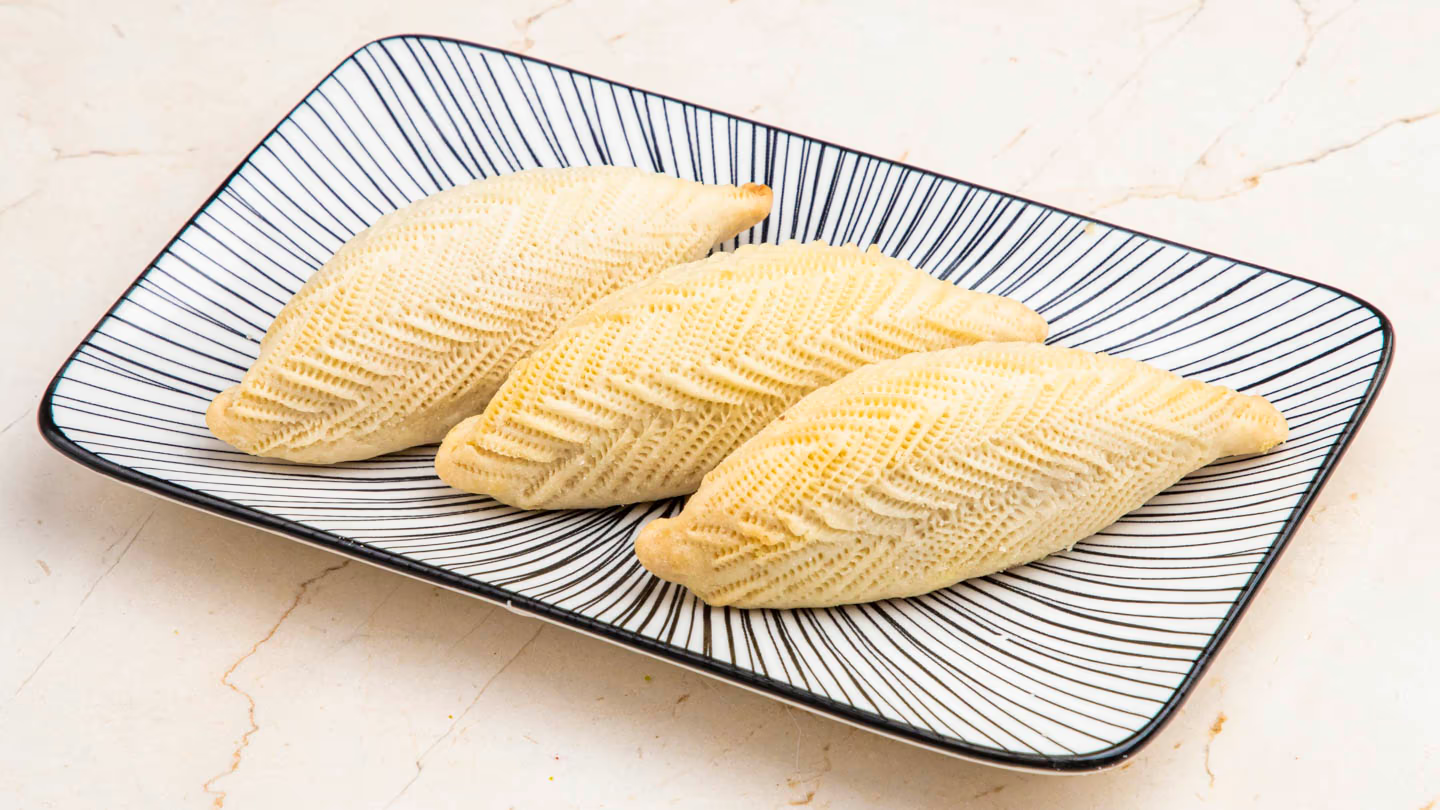
Shekerbura is a half-moon pastry filled with ground almonds or walnuts and sugar, decorated with a pinched pattern. It is a Novruz classic and one of the three traditional sweets of the holiday.
What is Shekerbura?
Shekerbura (shekerbura) is a traditional Azerbaijani pastry: a buttery dough filled with ground almonds or walnuts mixed with sugar and cardamom, shaped into a half-moon, and decorated with a pinched or tooled pattern (often made with a special tweezers-like device called a maggash). It is baked until golden and is one of the three symbolic sweets of Novruz (with pakhlava and goghal). The name suggests "sweet pastry" (sheker = sugar).
How do you eat Shekerbura?
Shekerbura is eaten with tea, one pastry (or half) per serving. It is sweet and rich, so it is nibbled with sips of strong black tea. It is served at room temperature, especially during Novruz, often on a tray with pakhlava and goghal. Eat with your hands or a fork.
What is the filling inside Shekerbura?
The filling is ground almonds or walnuts (or a mix), mixed with sugar and a little cardamom. No honey or syrup inside the sweetness comes from the sugar in the filling. The texture is crumbly and nutty. Some add a drop of rose water; the core is nuts and sugar.
The Snow-White Moon
If Pakhlava is the star, Shekerbura is the crescent moon. Because of this symbolism, there is a strict baking rule: Shekerbura must never turn brown in the oven. It is baked at a relatively low temperature just until the dough is cooked through but remains completely pale and snow-white. An egg wash is never used on this pastry.
The Meaning Behind the Pinching (Sümbül)
The hypnotic, geometric pattern on the surface of Shekerbura is not random. Master bakers use the "maqqaş" (special tweezers) to create a specific design called "sümbül", which translates to an ear of wheat. This agricultural symbol represents an abundant harvest and prosperity for the coming new year.
Ingredients
- Flour
- Butter
- Ground almonds or walnuts
- Sugar
- Cardamom
- Egg (for glaze)
- Milk (optional)
Frequently asked questions
- Is Shekerbura only baked for Novruz?
- It is most strongly associated with Novruz and is a must on the holiday table. That said, it is also baked for other celebrations and is sold in bakeries and sweet shops in Baku year-round. So: traditional at Novruz, but available and enjoyed at other times too.
- How do they make the patterns on Shekerbura?
- The pattern is made with a special tool called a maggash (maqqaş) a small, tweezer-like implement that pinches the dough into a decorative border. The classic design is a row of pinches along the curved edge. Some cooks use a fork or a decorative wheel; the maggash gives the traditional look.
- Can I freeze Shekerbura?
- Yes! Because the filling consists entirely of dry nuts and sugar with no moisture, and the dough is rich in butter, Shekerbura freezes exceptionally well. Many Azerbaijani families bake hundreds of them in March and keep them in the freezer to serve to unexpected guests throughout the year.